Lehengas
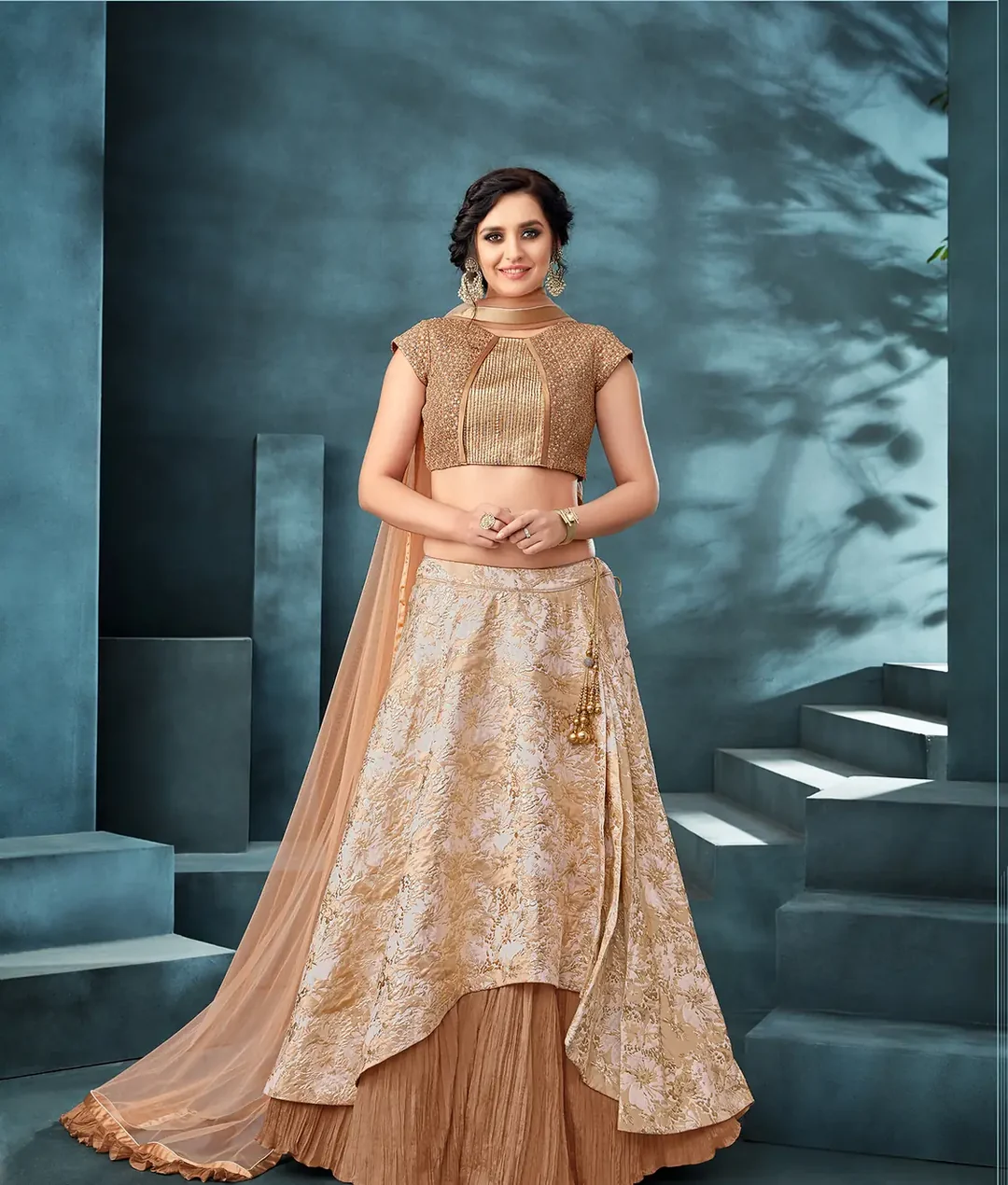
Beige Fancy Jacquard Lehenga Choli with Cord and Sequin Embroidery
₹8,701₹15,505
103 products
Lehengas
Lehengas
Lehenga Style Sarees
Lehenga Style Sarees
Lehengas
Lehengas
Lehengas
Lehengas
Lehenga Style Sarees
Lehengas
Lehengas
Lehengas
Lehengas
Lehengas
Lehengas
Lehengas
Lehengas
Lehengas
Lehengas
Lehenga Style Sarees
Lehengas
Lehengas
Lehenga Style Sarees
Lehengas
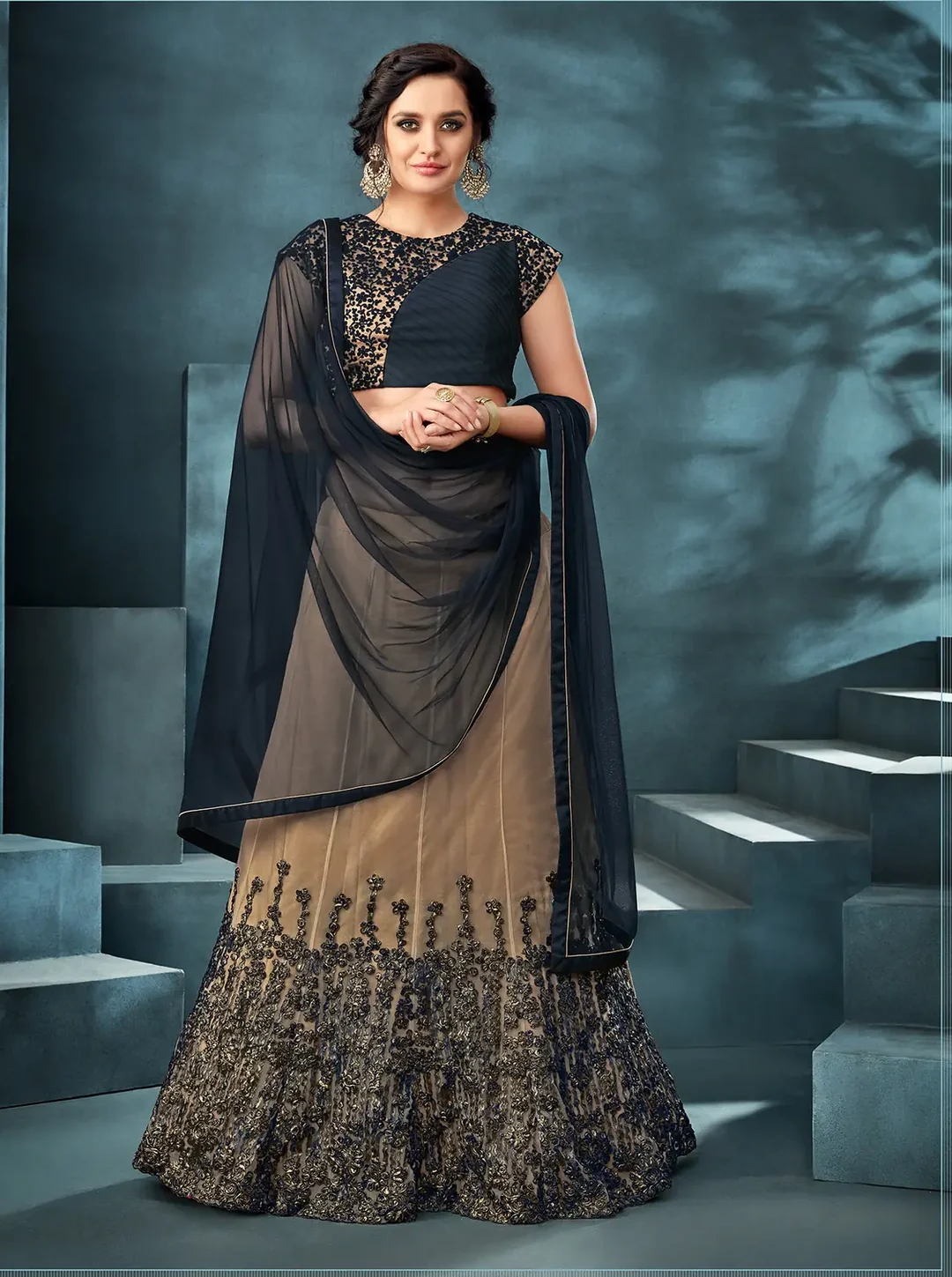
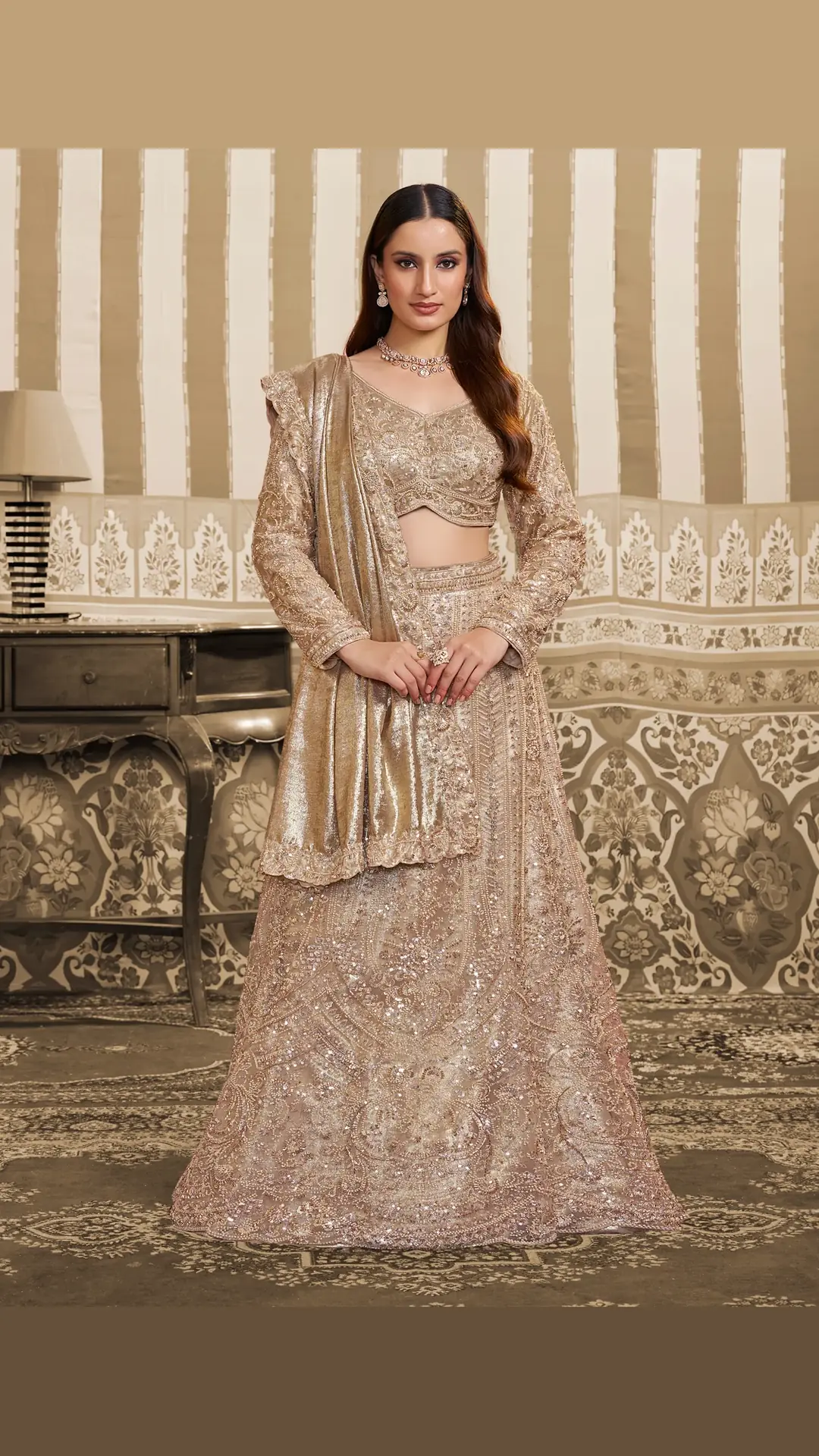
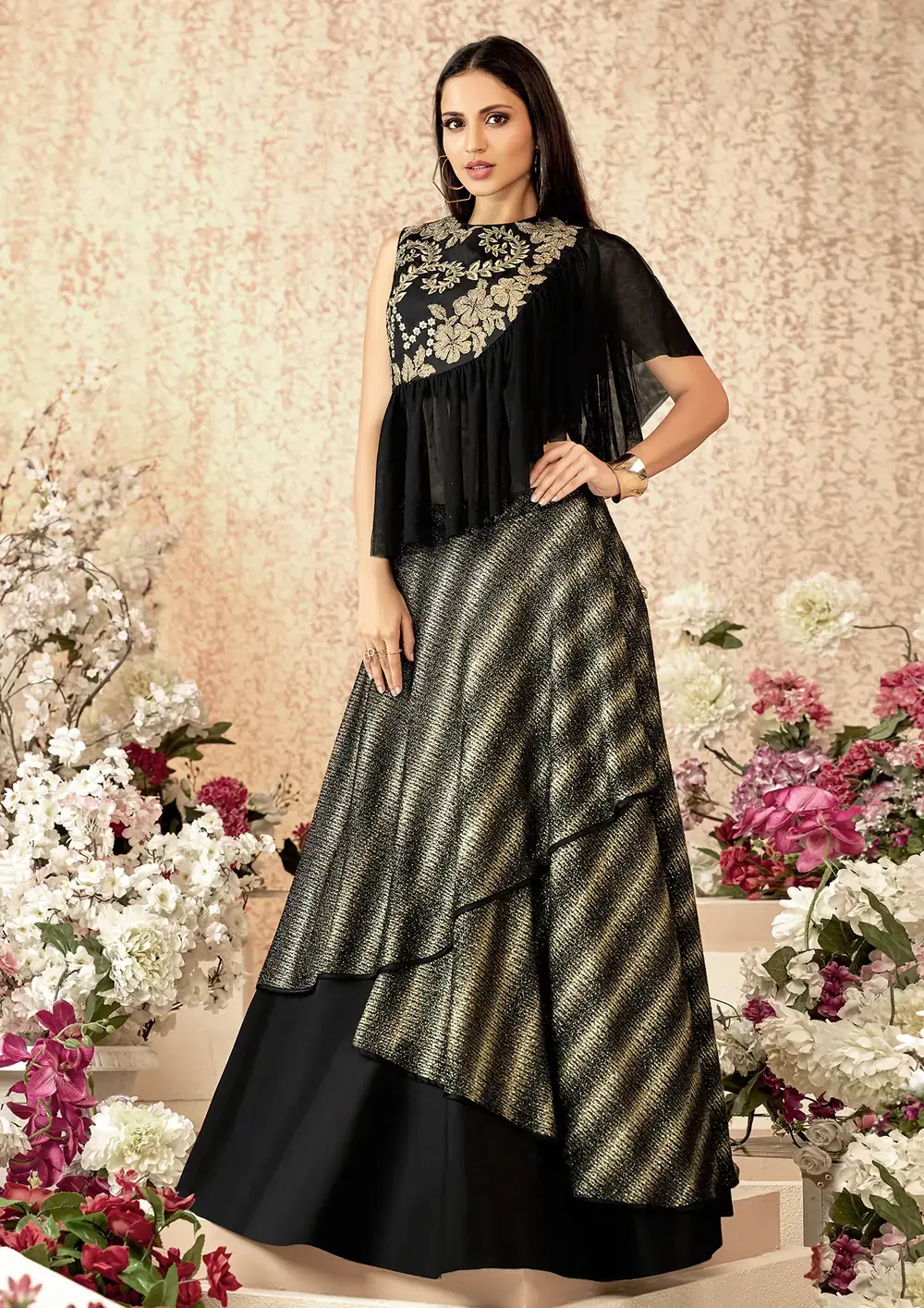
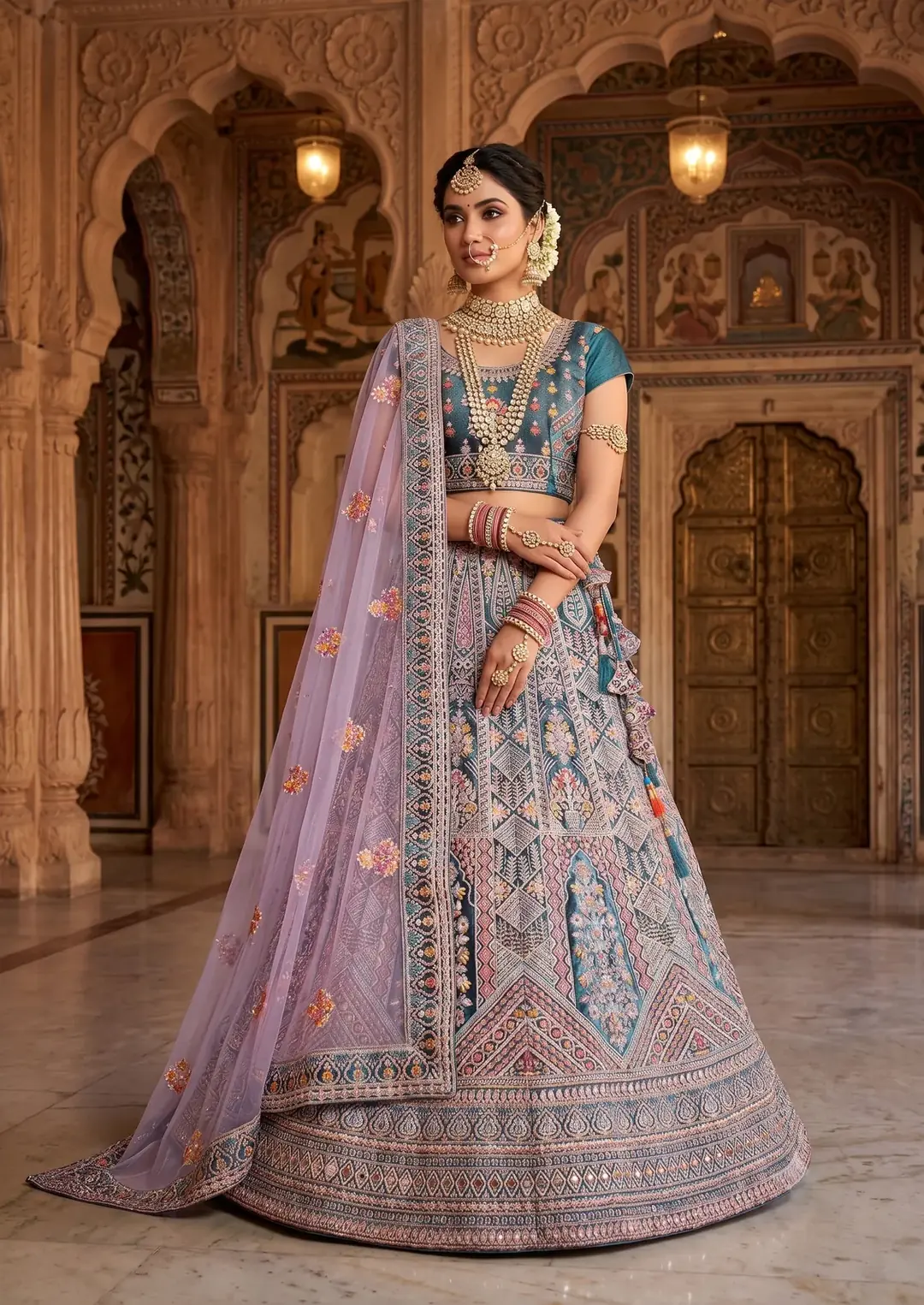
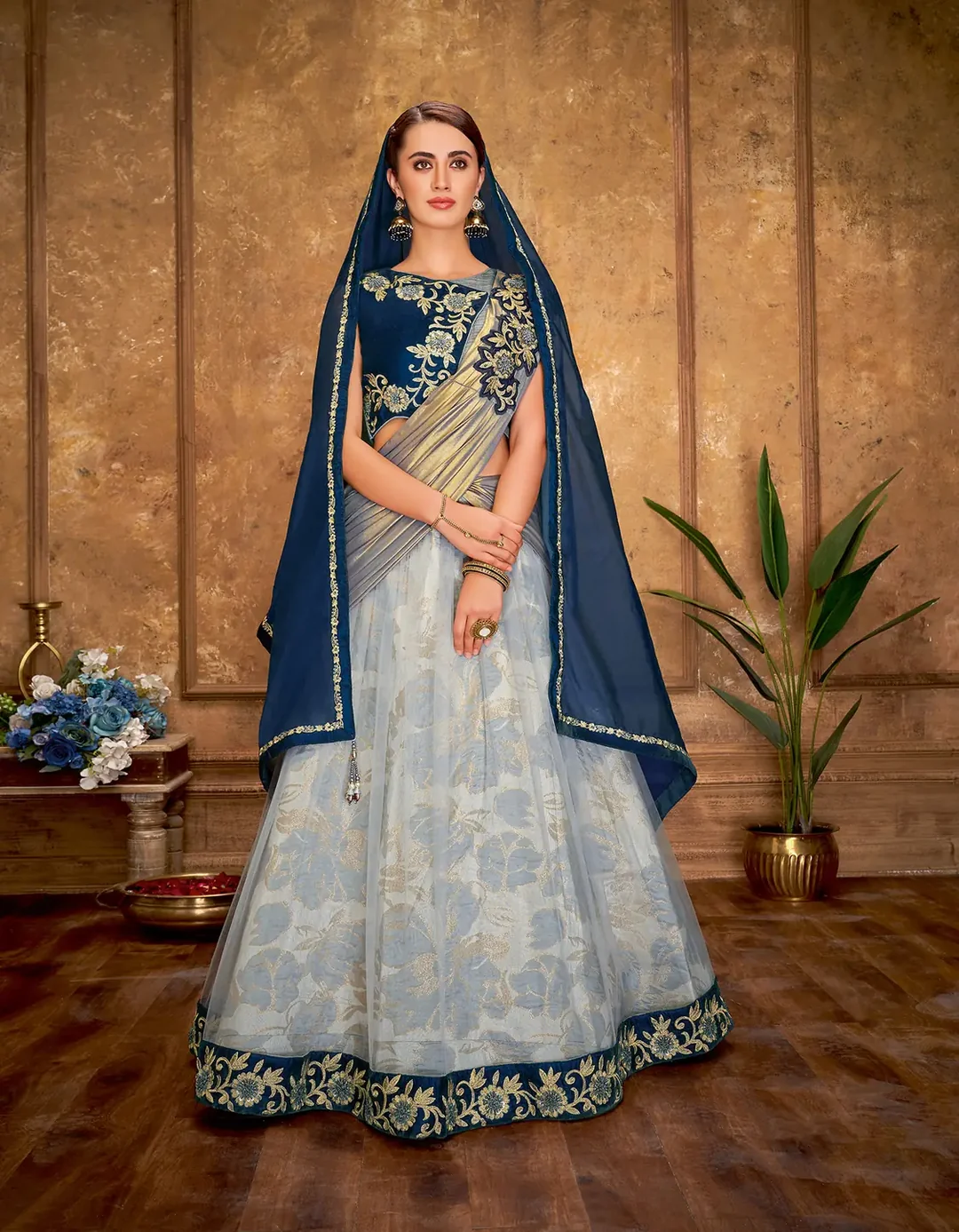
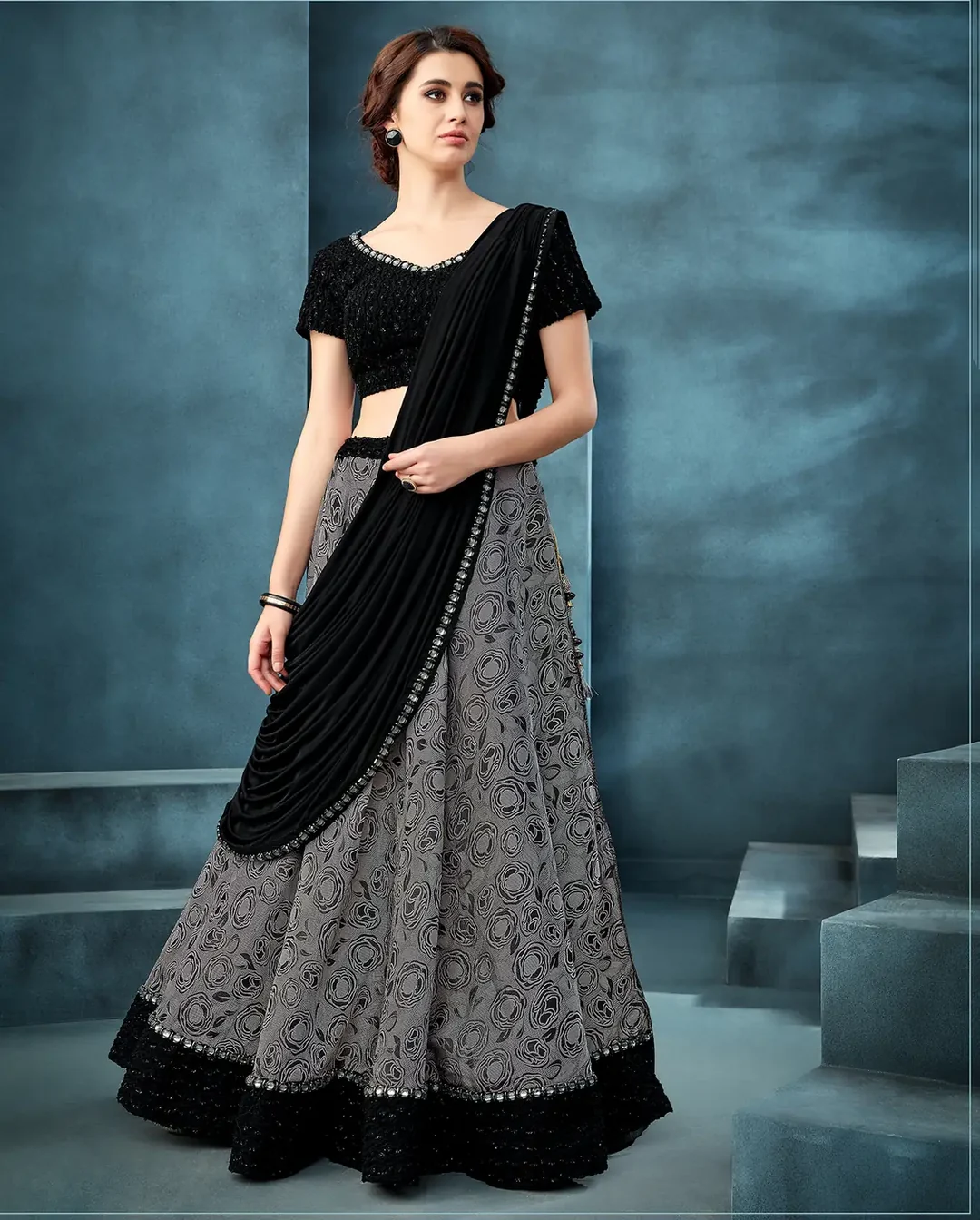
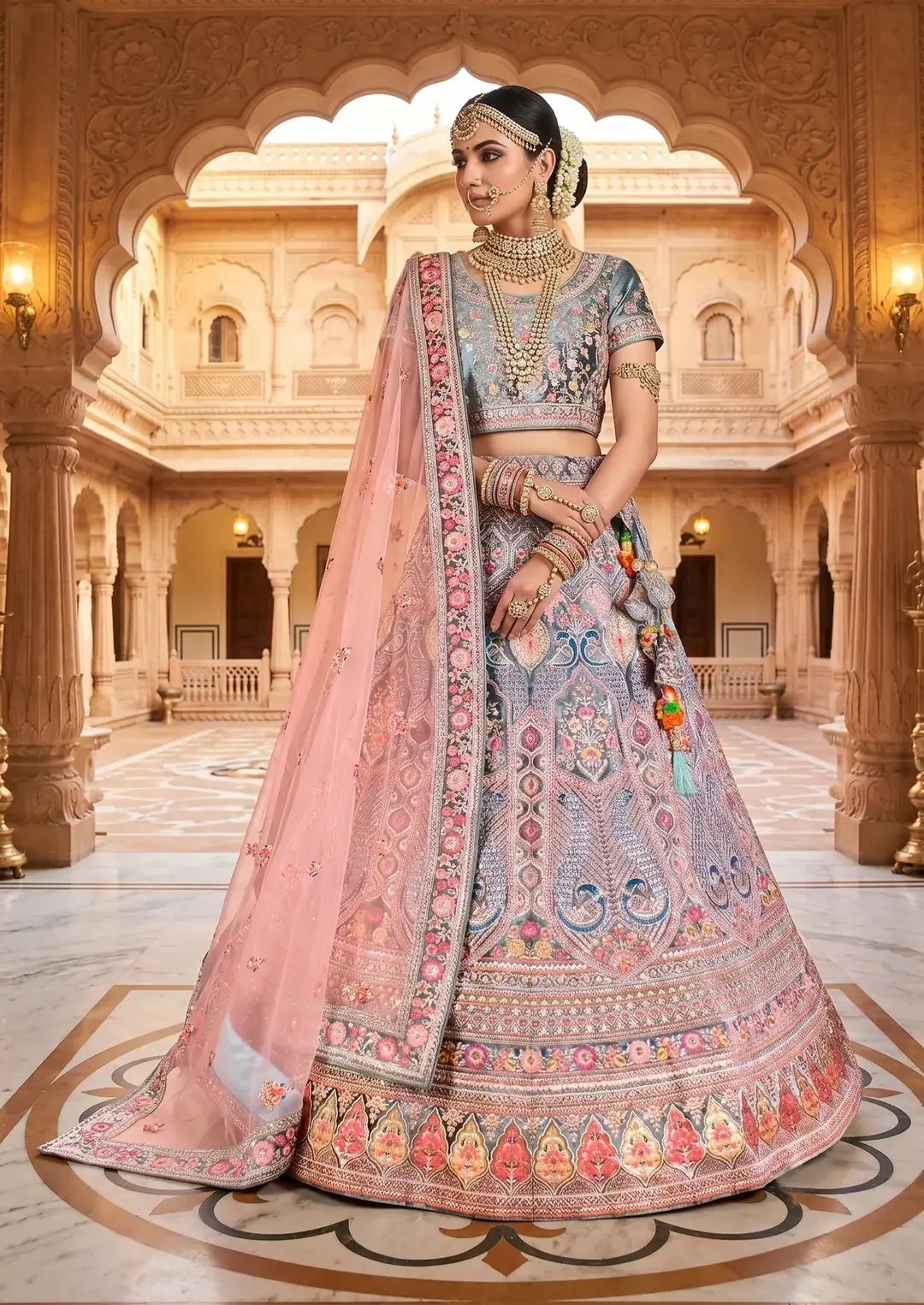
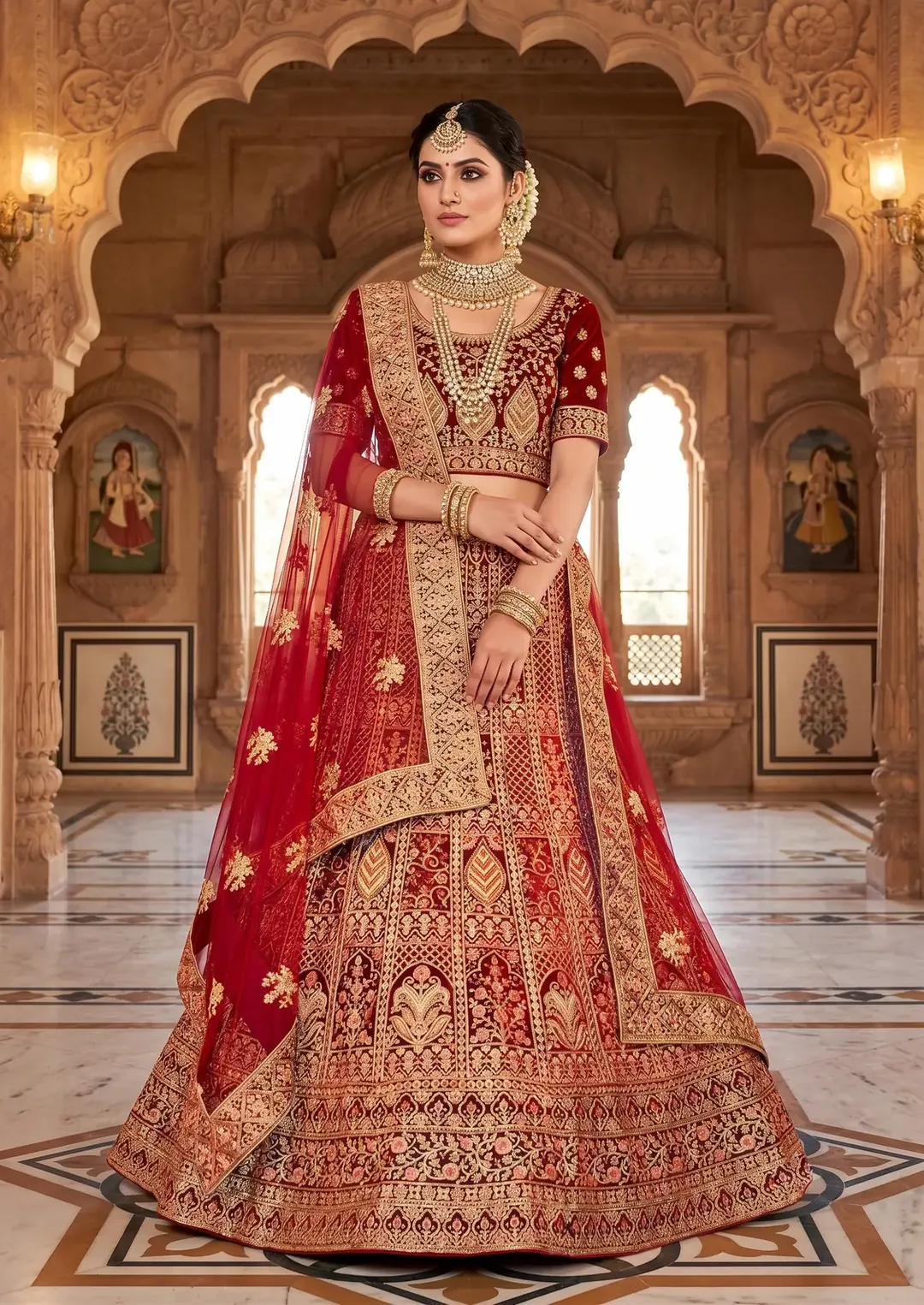
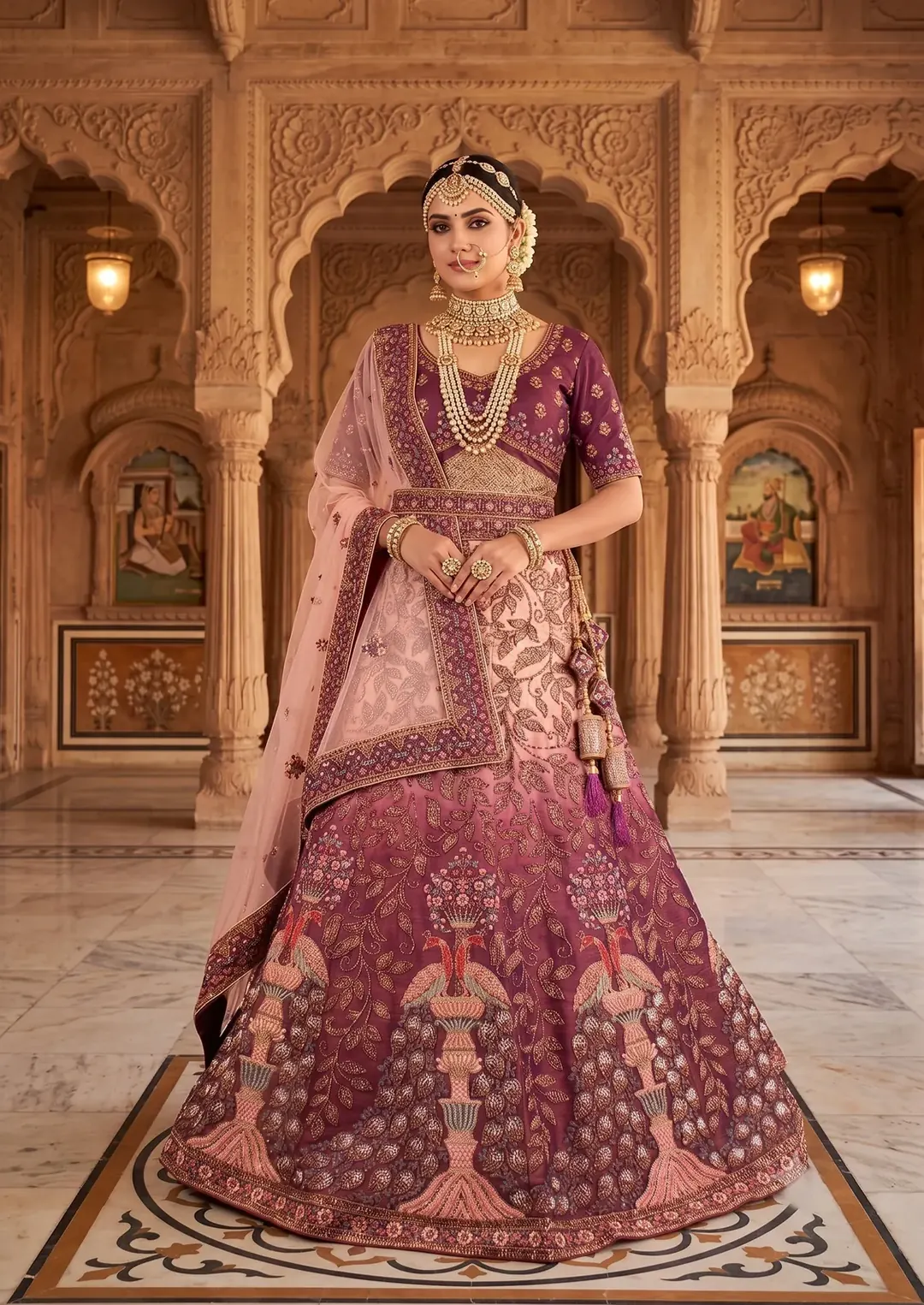
A lehenga at Vpnam is a three-piece set: the skirt, a dupatta and a blouse. Eighty-nine designs are live, priced from ₹2,851 to ₹23,999 with the middle near ₹7,924. Of the 37 listings that state package contents, 36 include a dupatta. Net is the most common skirt fabric at eight listings, followed by velvet, dual-tone silk, plain silk and fancy jacquard; 27 listings give the dupatta as net and 17 of those add an embellished border. Where a stitching state is stated, 13 of 16 are semi-stitched. Forty-five listings say dry clean only.
Thirty-seven listings state package contents, and 36 of those are the same three pieces: one skirt, one dupatta and one blouse. The skirt is written as either lehenga or chaniya depending on the listing, and both mean the same garment. One listing gives skirt and blouse only, with no dupatta. Twenty-two listings name a designer blouse and 17 a stitched one. Seven give the skirt length as 42 inches, and six say the blouse can be let out to a 42-inch bust and waist.
Sixteen listings state a stitching condition, and 13 of those are semi-stitched. The three terms are not interchangeable, and buying the wrong one is the most common lehenga mistake.
Weight is the deciding factor across a wedding week, not price. A skirt you can dance in is a different garment from one that has to hold its shape through a receiving line.
| Function | What the evening asks for | What to look for here |
|---|---|---|
| Mehendi or haldi | Daytime, seated, hands occupied | Lighter net or jacquard, sleeves you can push back, a dupatta you can set aside |
| Sangeet | Standing and dancing for hours | Net or dual-tone silk, moderate flare, sequin or cord work rather than dense beadwork |
| Reception | Photographs, standing, controlled movement | Velvet or silk with body, a structured skirt, embellished-border net dupatta |
| Wedding as a guest | Long day, staying visibly below the family | Mid-range weight, one clear focal point instead of full-surface work |
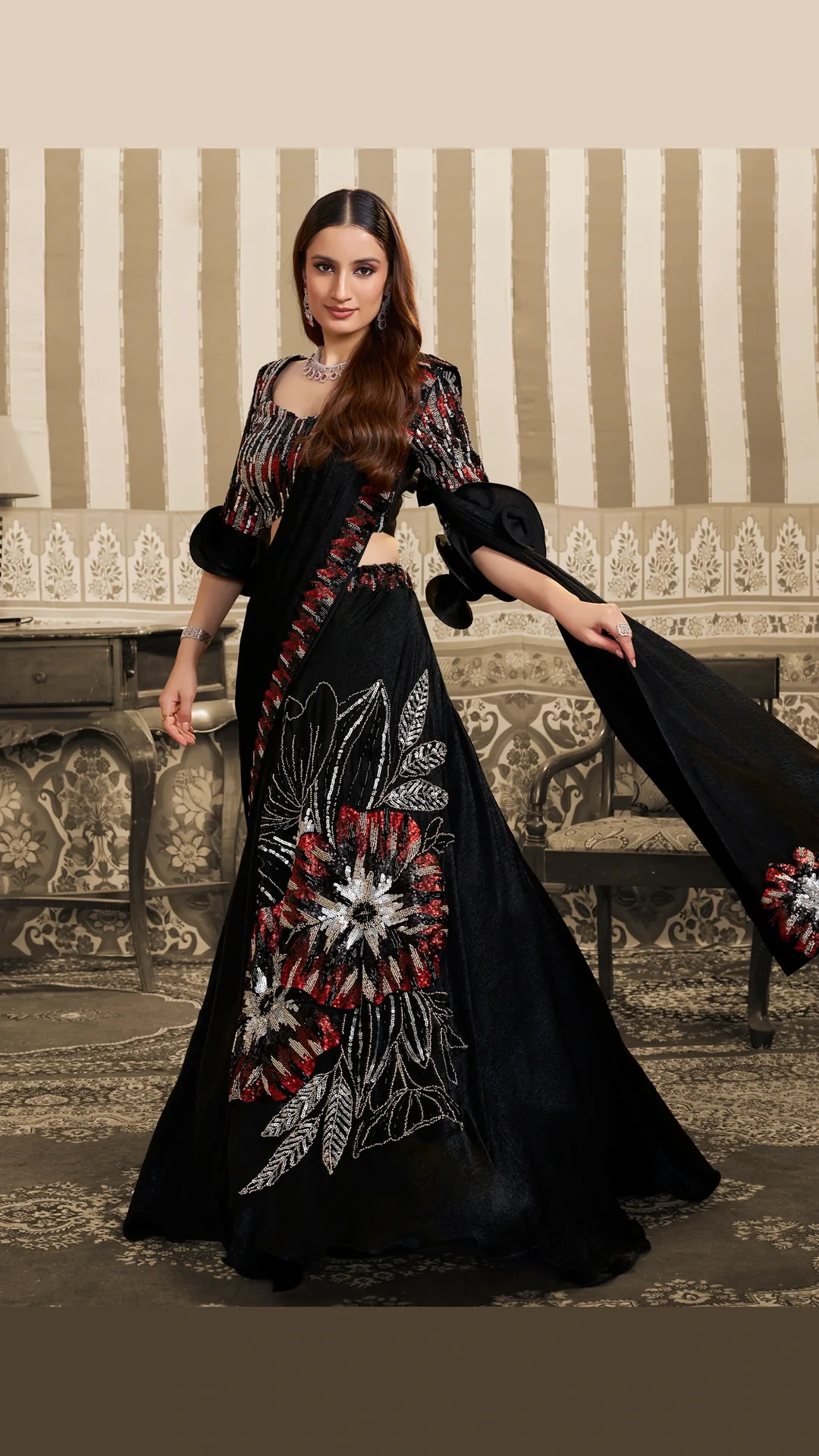
Net, on eight listings, is light and open and is always worked over a lining, so the flare comes from the cut rather than the cloth. Velvet, on four, is heavy and warm, holds a deep pleat and photographs richly under indoor light, which is why it suits winter receptions and not an afternoon in October. Dual-tone silk, also on four, carries one colour lengthwise in the weave and another across it, so the shade shifts as the skirt moves. Fancy jacquard has the pattern woven in rather than stitched on, which means it will not shed a thread. Two listings use sequins net, where the sequins are worked into the ground fabric itself.
The range runs from ₹2,851 to ₹23,999, with half the catalogue on either side of ₹7,924. That spread is mostly labour. Cord, resham and zari embroidery are counted by the metre of thread laid down, so a fully worked skirt takes many times the hours of a printed or plain one. Sixteen listings state that GST is already included in the displayed price, 15 of them at 12 per cent. Where a listing does not state GST, check the product page before assuming.
Forty-five listings state dry clean only, and that is the right instruction for anything carrying cord, zari or sequin. Store a worked skirt hanging from the waistband rather than folded, so the weight of the embellishment does not crease the flare into permanent lines, and cover it in a cotton bag. Keep the dupatta separate; net snags on beadwork if the two are packed together.
Thirty-six of the 37 listings that state package contents include three pieces: the skirt, one dupatta and one blouse. A single listing gives skirt and blouse without a dupatta. Petticoats, jewellery and footwear are not included in any listing. The product page states the exact contents, so read that row before ordering.
Semi-stitched means the skirt is already constructed and flared, but the waist is left open with spare fabric folded inside so a tailor can close it to your exact measurement. It is quicker and cheaper to alter than an unstitched piece and far more adjustable than a stitched one. Thirteen of the 16 listings that state a condition are semi-stitched.
Yes on almost every listing that states its contents: 36 of 37 include one dupatta. Twenty-seven listings give the dupatta fabric as net and 17 of those describe a net dupatta with an embellished border. Two listings have the dupatta attached to the skirt rather than supplied loose, which changes how it can be draped.
Net and dual-tone silk move most easily. Net is light and open and takes its flare from the cut, so it swings without weighing on the hips. Velvet is the opposite choice, warm and heavy, and better suited to a seated reception than to several hours of dancing. Check the work as well; dense beadwork adds weight quickly.
Prices run from ₹2,851 to ₹23,999, with the midpoint near ₹7,924. The gap is mostly hand labour rather than fabric cost, because cord, resham and zari embroidery are paid for by the hour of work laid onto the skirt. Sixteen listings confirm GST is included in the displayed price, 15 of them at 12 per cent.
A semi-stitched lehenga can, and that is what it is designed for. Six listings state the blouse can be adjusted up to a 42-inch bust and waist, and seven give the skirt length as 42 inches, which a tailor can shorten but not lengthen. Take your own height into account before ordering, since hemming removes border detail.
Forty-five listings state dry clean only. Store the skirt hanging from its waistband instead of folded, so the weight of the cord and sequin work does not press permanent creases into the flare, and use a cotton cover rather than plastic. Pack the net dupatta separately, because net catches on beadwork when the two are stored together.
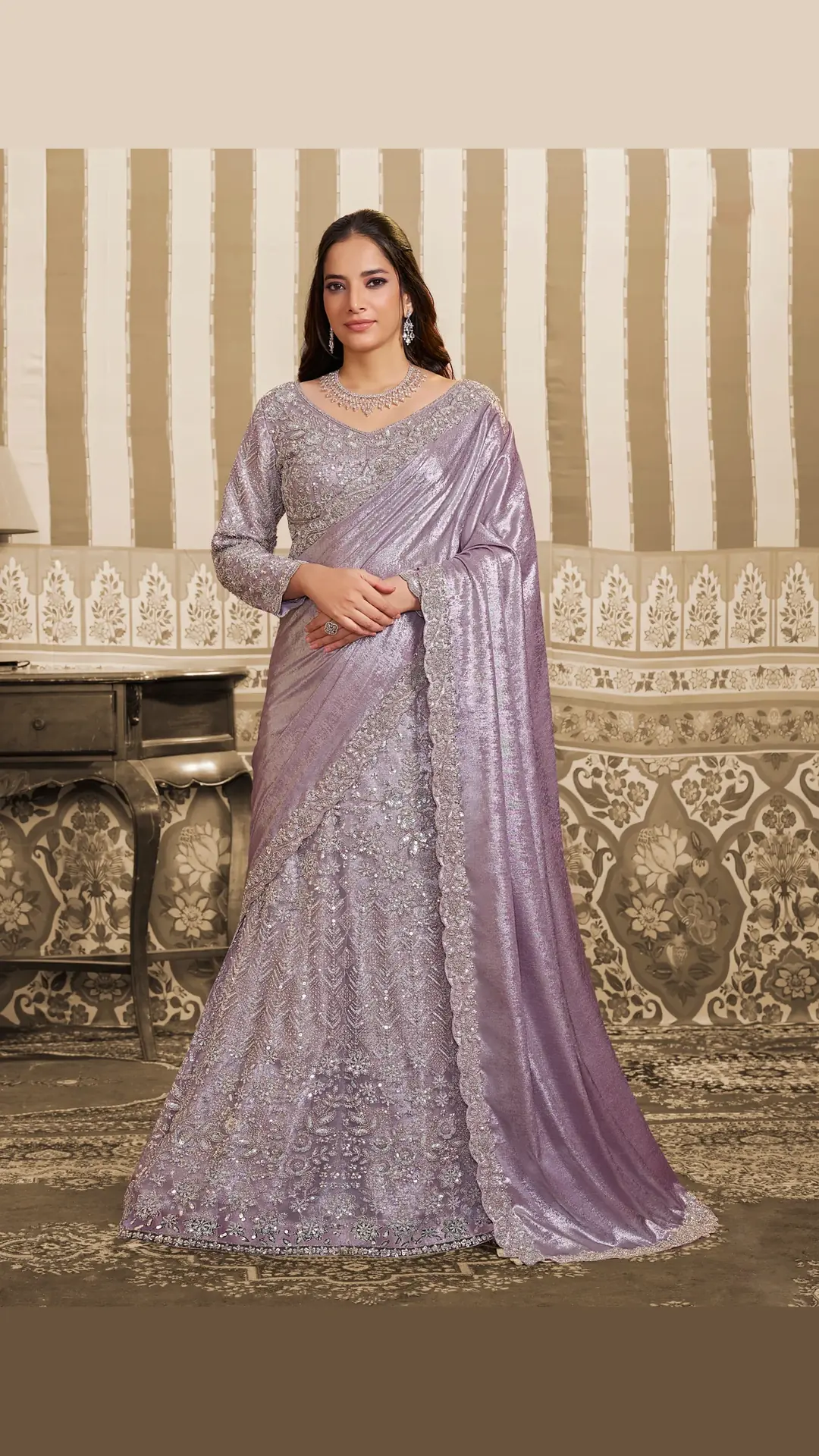
A lehenga is three separate pieces: skirt, dupatta and blouse, and the skirt is a stitched garment pulled on at the waist. A lehenga style saree is a single draped saree cut and pre-pleated to fall like a skirt. Vpnam lists the six lehenga style sarees separately, and every one of those is pre-stitched and ready to wear.