Designer Sarees
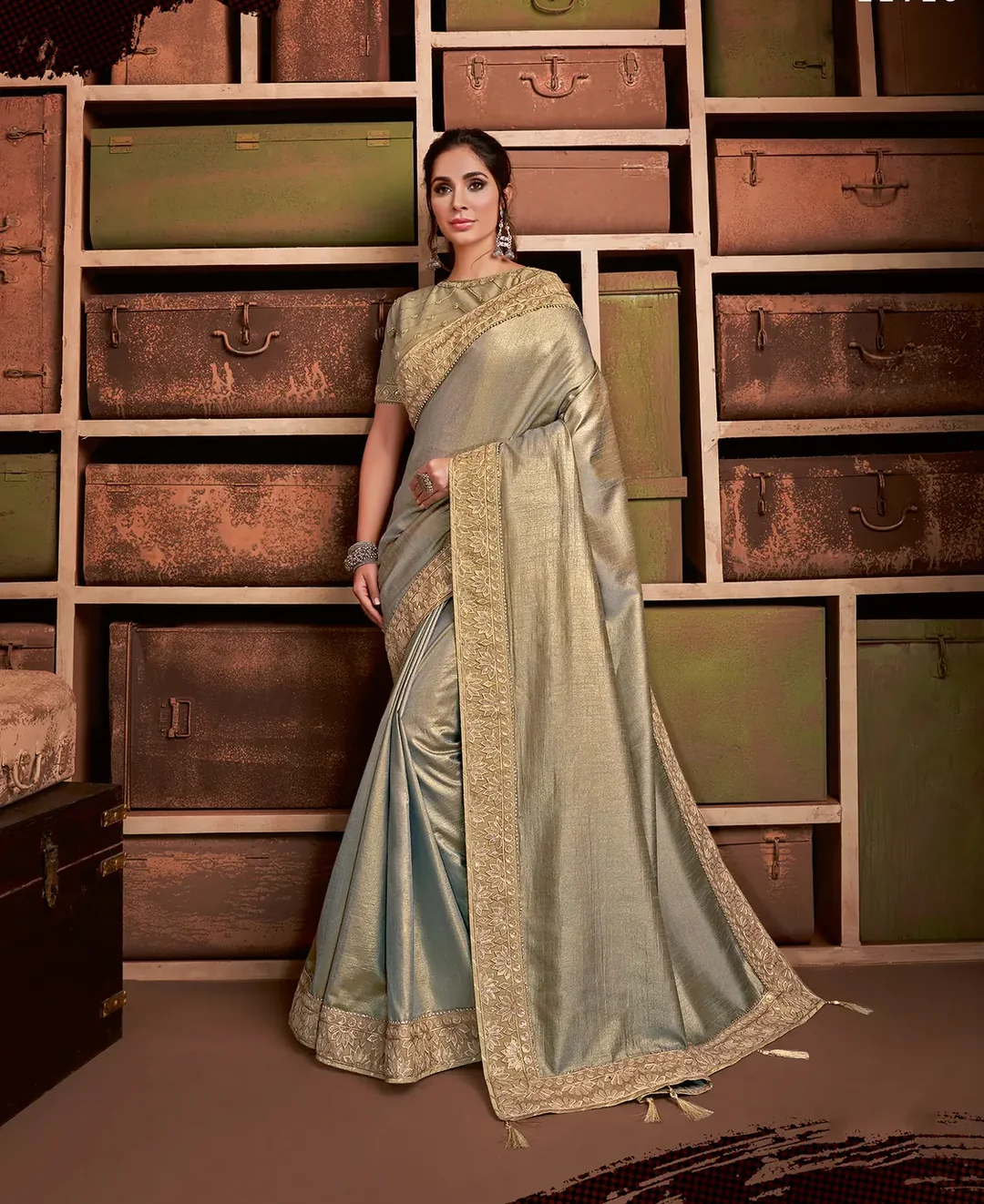
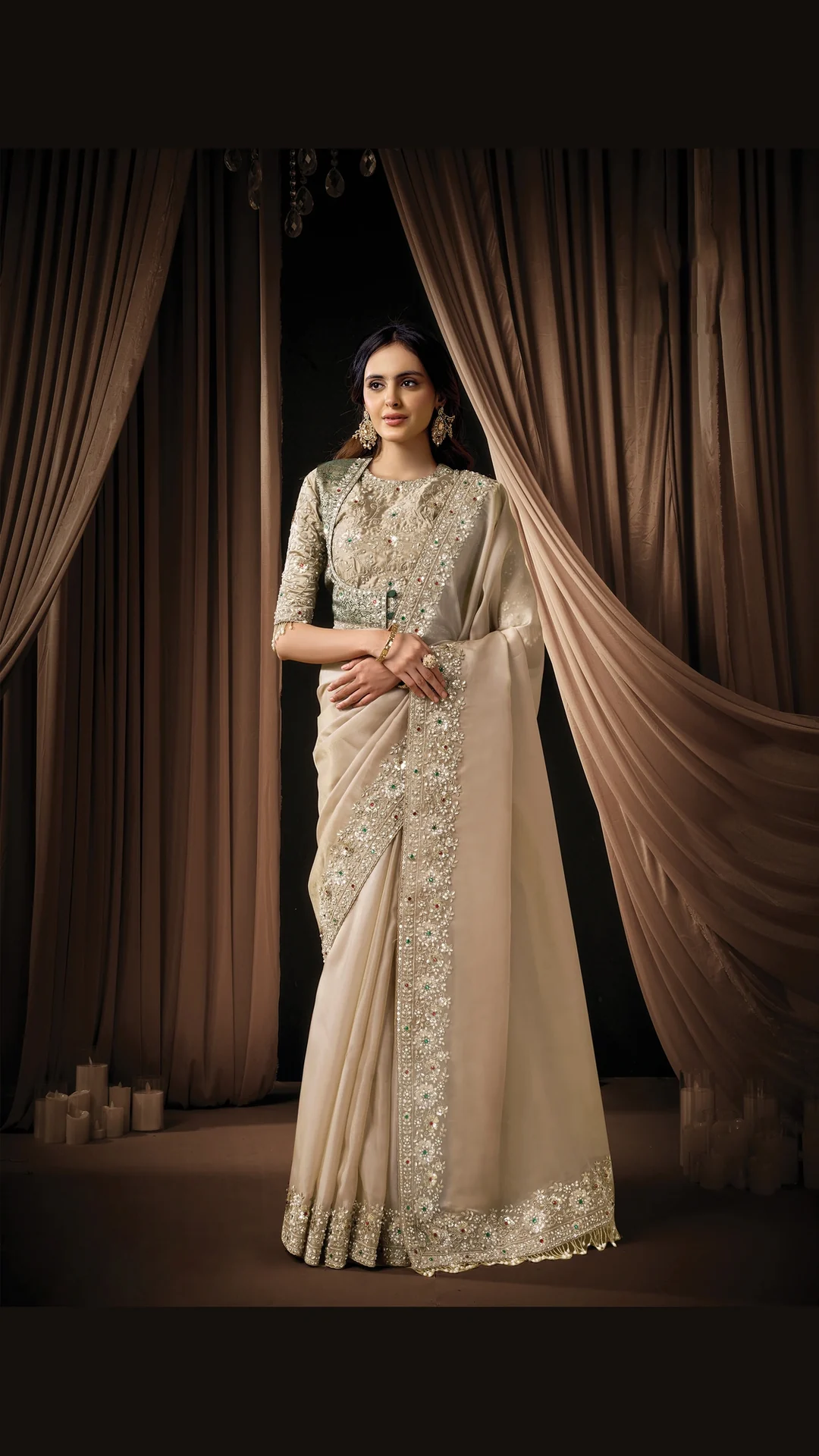
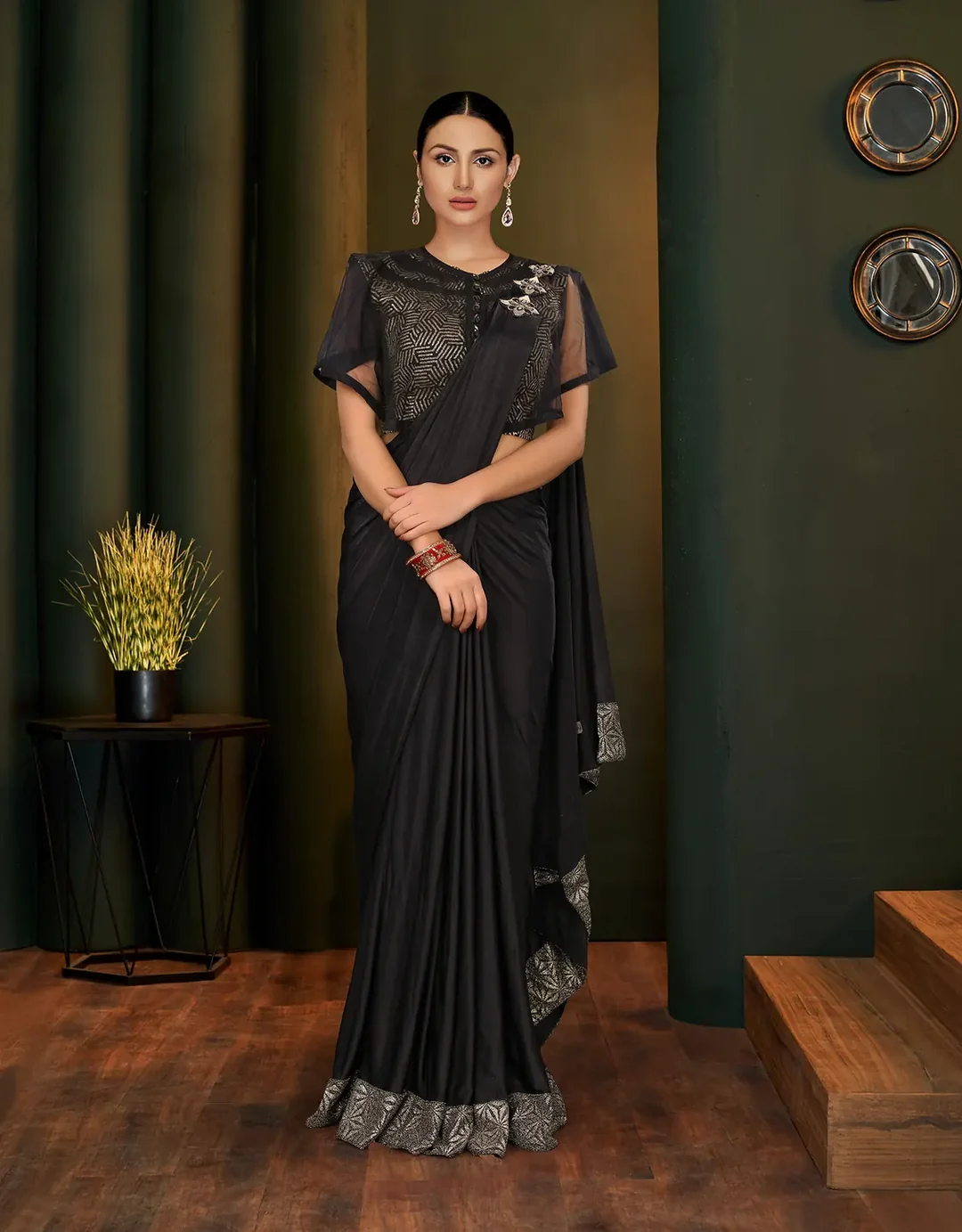
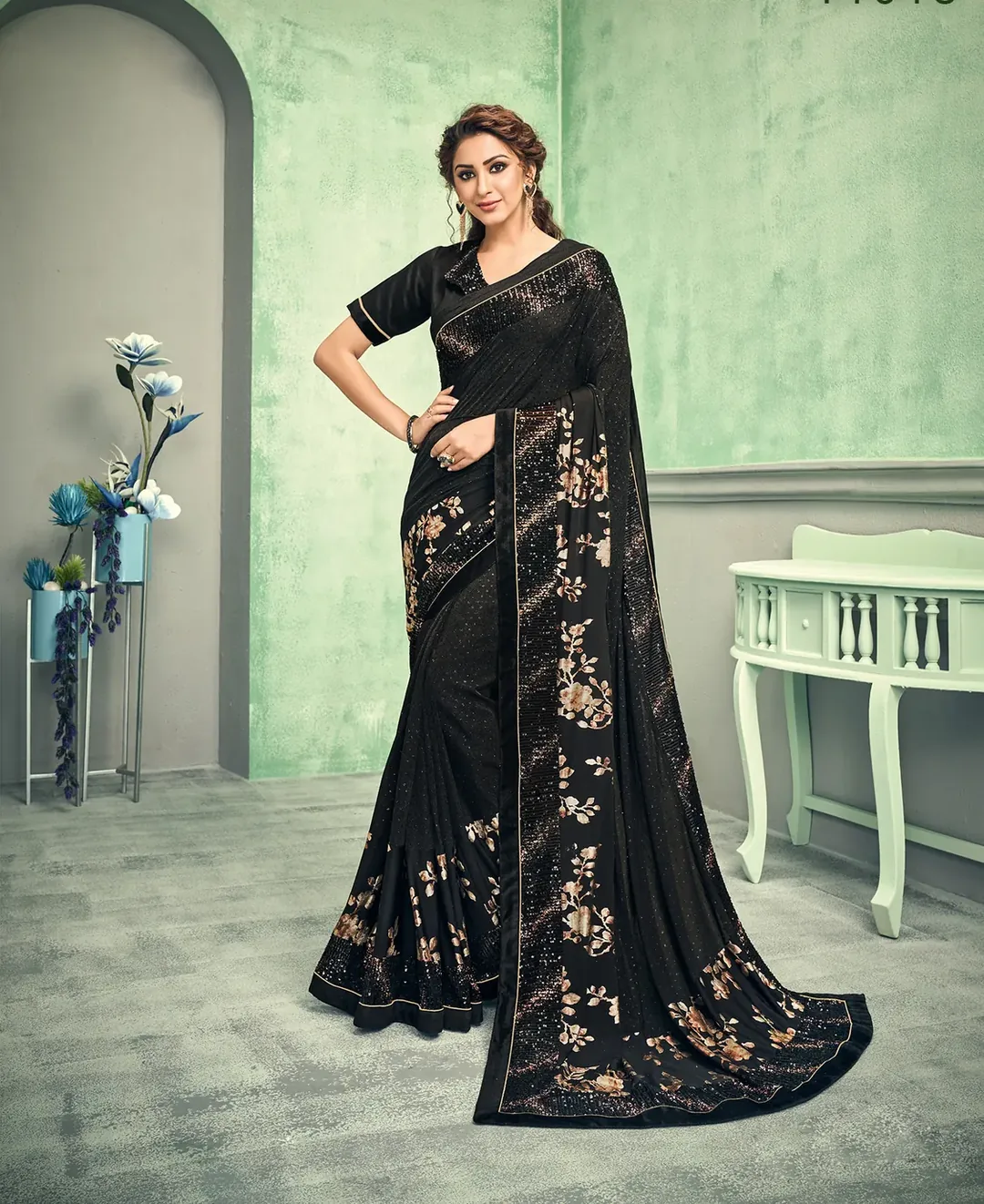
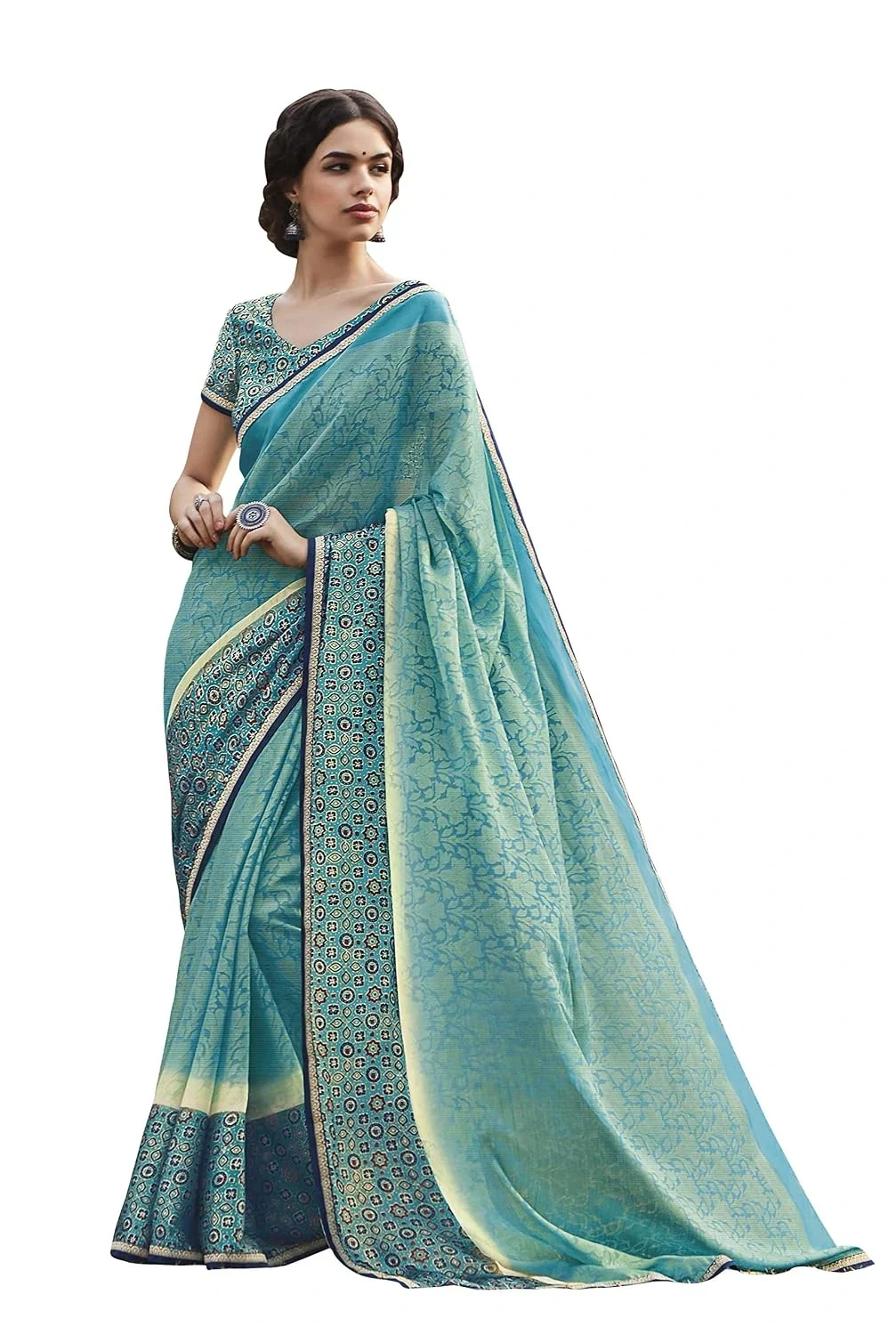
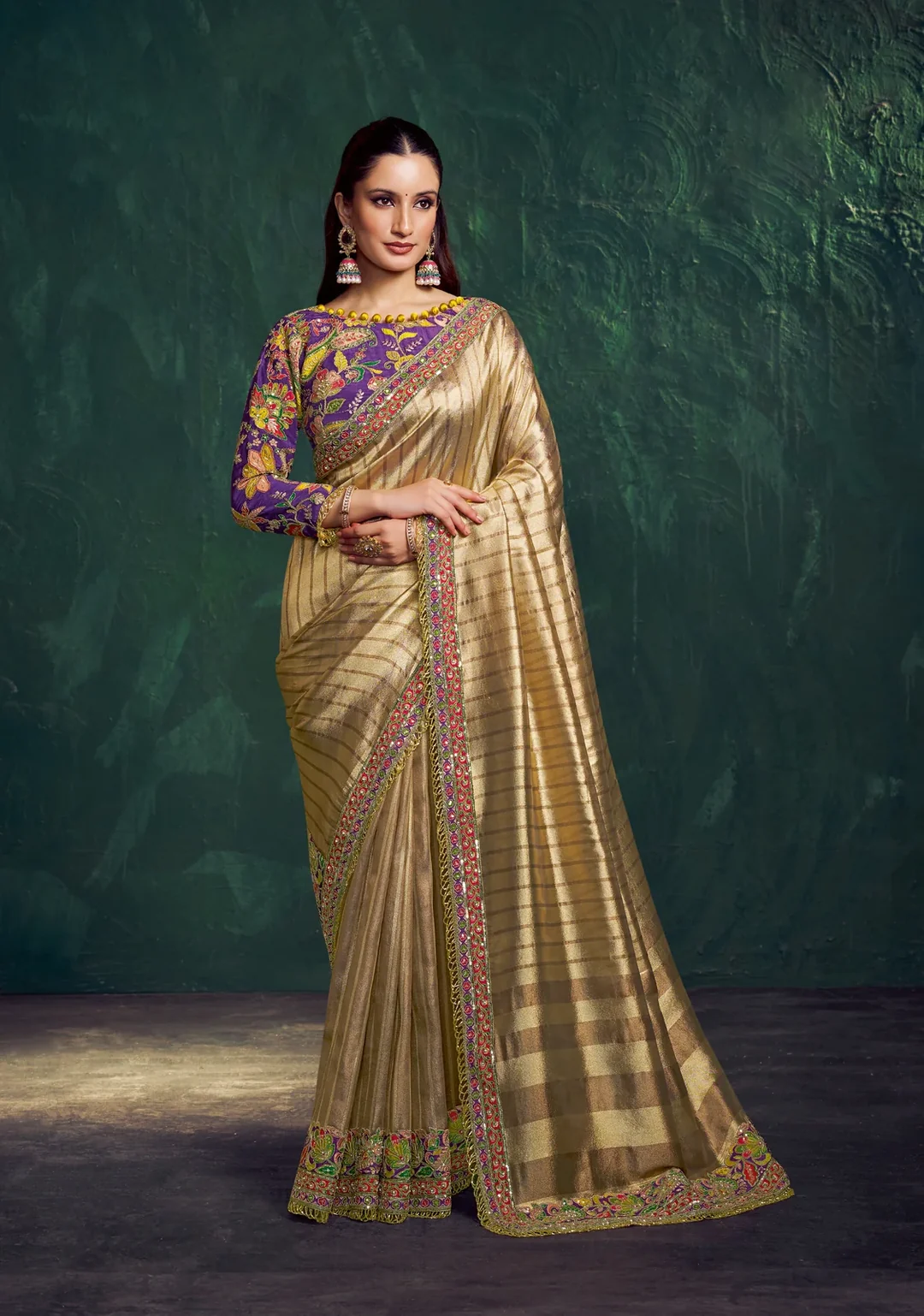
Antique Gold Kanjivaram Zari Tissue Designer Saree with Floral Motifs & Zari Work
₹8,699₹14,500
120 products
Designer Sarees
Designer Sarees
Designer Sarees
Designer Sarees
Designer Sarees
Designer Sarees
Designer Sarees
Designer Sarees
Designer Sarees
Designer Sarees
Designer Sarees
Designer Sarees
Designer Sarees
Designer Sarees
Designer Sarees
Designer Sarees
Designer Sarees
Designer Sarees
Designer Sarees
Designer Sarees
Designer Sarees
Designer Sarees
Designer Sarees
Designer Sarees
Designer Sarees is the worked tier at Vpnam: 88 sarees where the surface embroidery is the point and the base cloth is chosen to carry it. Prices run from ₹1,162 to ₹7,321 with the middle near ₹3,672. Every listing states its fabric, and georgette leads on 15, followed by lycra on 14 and chiffon on 13. Embroidery or thread work is named on 41 listings, sequin work on 37, handwork on 15, zari on 11 and cord on 10. Twenty-seven give the saree as 5.50 metres with a 0.80 metre blouse piece.
The label is about labour, not price. A designer saree in this catalogue is one where the pattern is added to the cloth by hand or machine after weaving, rather than woven in or printed on. That is why 41 of the 88 listings name embroidery or thread work and only two name a digital print. The range overlaps with the general saree category at both ends, from ₹1,162 to ₹7,321, but the middle sits higher at ₹3,672 because worked surfaces cost hours.
Indian embroidery terms are used loosely online, and the same word is spelled several ways. This is what each one means in plain language, and how often it appears across the Vpnam catalogue.
| Term | What it is | Where it appears at Vpnam |
|---|---|---|
| Resham | Silk-floss thread embroidery. Matte, slightly raised, soft to the touch and the least fragile of the worked finishes | 19 listings, 5 of them designer sarees |
| Zari | Flat metallic thread laid on the surface and couched down with a finer thread. Reflects in a line rather than a point | 11 designer sarees |
| Cord | A round laid cord stitched down along a drawn outline. Gives a raised, continuous edge to a motif | 10 designer sarees |
| Sequin, also spelled sequence | Small flat discs, stitched flat for shine or on edge for texture | 37 designer sarees |
| Moti or pearl | Small round beads used to outline a motif rather than fill it | 7 designer sarees, 63 festive sarees |
| Applique | A second fabric cut to shape and stitched onto the base, so the pattern has real thickness | 16 listings, 5 of them designer sarees |
| Zardoshi, also spelled zardosi | Metal coil and wire worked over a padded outline. The heaviest and most formal of these techniques | 3 listings across the site |
| Cutdana | Faceted cut beads that throw light back in sharp points instead of a soft sheen | 6 listings across the site |
| Khatli | A hook worked from the reverse of a framed cloth, pulling an unbroken chain through the fabric | 9 sarees |
| Mirror cut | Cut glass discs held by a ring of stitching around each one | 37 listings, all festive sarees |
A worked saree is only as good as the cloth holding the stitches. Georgette, on 15 listings, is the workhorse: its grainy weave grips thread and it does not pull out of shape under weight. Chiffon, on 13, is far lighter and sheerer, so it takes scattered work well but sags under a dense border. Lycra, on 14, stretches, which makes it forgiving to drape but means very dense embroidery can pucker. Silk georgette, zari organza satin and uppada silk appear in smaller runs and sit stiffer, holding a sharper pleat under a heavy pallu.
Forty-seven listings state a blouse type: 35 unstitched, eight stitched and four semi-stitched. Thirty listings confirm a blouse piece is included. Twenty-seven give the saree length as 5.50 metres and the blouse piece as 0.80 metres, and 28 give a total of 6.3 metres including the blouse. Thirty listings give the blouse fabric as raw silk. One listing states plainly that the bundle is saree and blouse piece only, with no petticoat, which is true of the category generally.
Worked sarees fail at the thread, not the cloth. Fold with the embellished pallu on the inside so beads do not rub against each other, and slip a sheet of tissue between the layers. Press only from the reverse, never directly onto sequin or zari: sequins melt under a hot plate and zari goes dull. Seventy listings state that GST is included in the displayed price, 65 of them at 5 per cent.
A designer saree carries pattern that was added to the cloth after weaving, by embroidery, sequin, bead or applique work. A normal saree may be plain, printed or woven with the pattern built into the cloth. Of the 88 designer sarees here, 41 name embroidery or thread work and only two are digitally printed.
Zardoshi is metal-wire embroidery. Fine coiled wire is cut into short pieces and stitched over a padded outline, so the motif stands proud of the cloth and catches light from every angle. It is the heaviest of the traditional Indian surface techniques and the most formal. Three listings across the Vpnam catalogue currently carry it.
Resham is silk-floss thread. It sits matte, feels soft and forgives handling, which makes it the most wearable of the worked finishes. Zari is flat metallic thread laid on the surface and couched down, so it reflects light along a line rather than at a point. Resham appears on 19 Vpnam listings, zari on 11 designer sarees.
Forty-seven listings state a blouse type. Thirty-five give an unstitched blouse piece, eight a stitched blouse and four a semi-stitched one, and 30 confirm a blouse piece is included in the bundle. Thirty-eight state that piece as 0.80 metre. Thirty listings give the blouse fabric as raw silk, which stitches up crisply.
Twenty-seven listings state 5.50 metres for the saree itself, with a 0.80 metre blouse piece alongside it. Twenty-eight give a combined figure of 6.3 metres including the blouse piece. That is the standard Indian saree length and suits most heights and drape styles without shortening the pallu.
At Vpnam the range is ₹1,162 to ₹7,321, with the middle near ₹3,672. Price here follows the density and type of surface work rather than the size of the saree. Sequin and thread embroidery sit lower, while zari, cord and multi-technique handwork sit higher, because each is counted by the hours laid onto the cloth.
Press from the reverse side only, with a thin cotton cloth between the iron and the saree, and keep the plate off any sequin, zari or bead directly. Sequins are plastic and will melt or cloud under direct heat, and zari dulls. Steam from a distance is safer than contact pressing on a heavily worked pallu.
Georgette holds heavy work best. Its grainy weave grips the stitches and it does not distort under weight, which is why 15 of the 88 designer sarees use it. Chiffon is sheerer and lighter and suits scattered work rather than a dense border. Lycra stretches, so it drapes easily but can pucker under very dense embroidery.