Ready-to-Wear Sarees
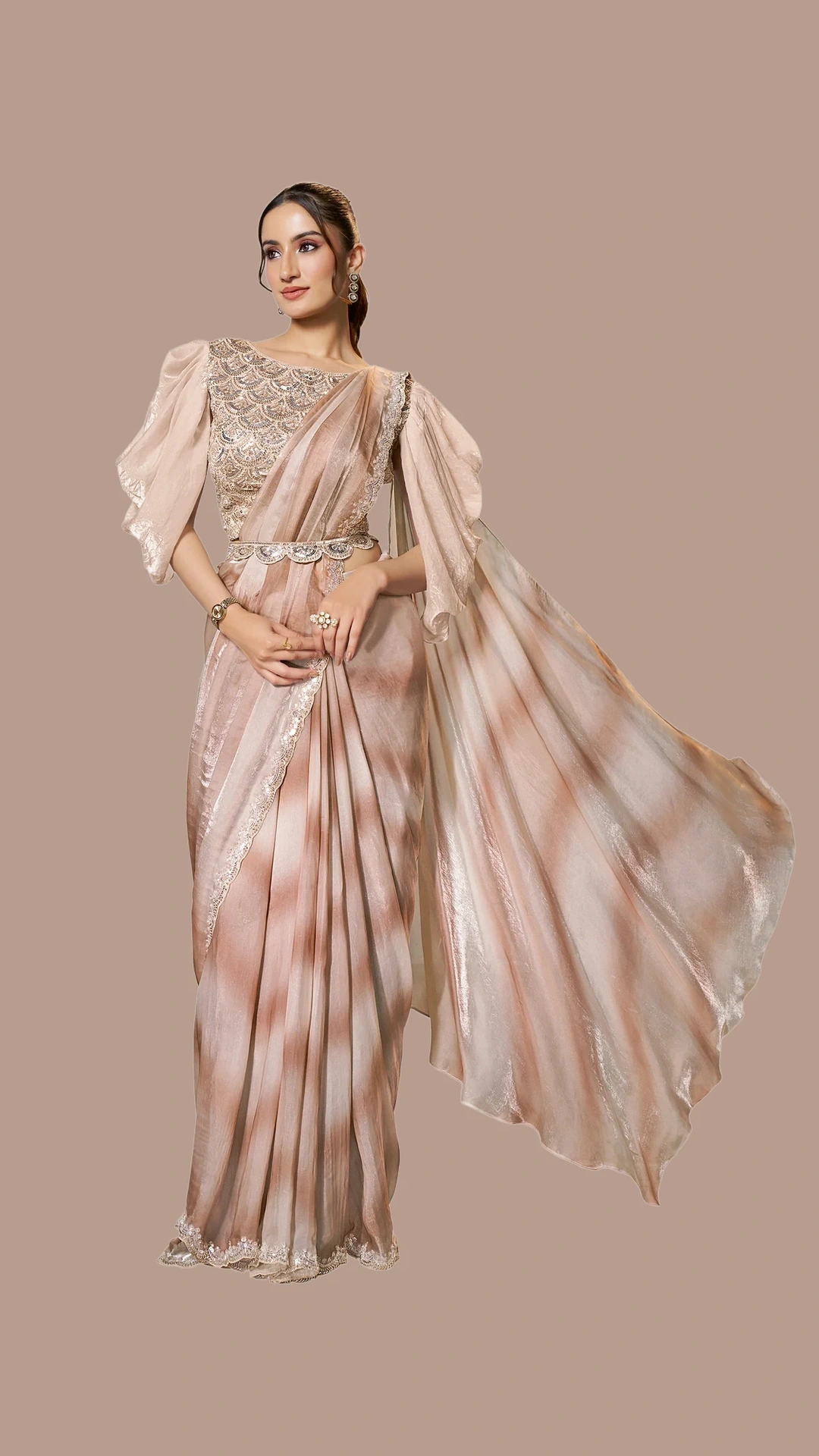
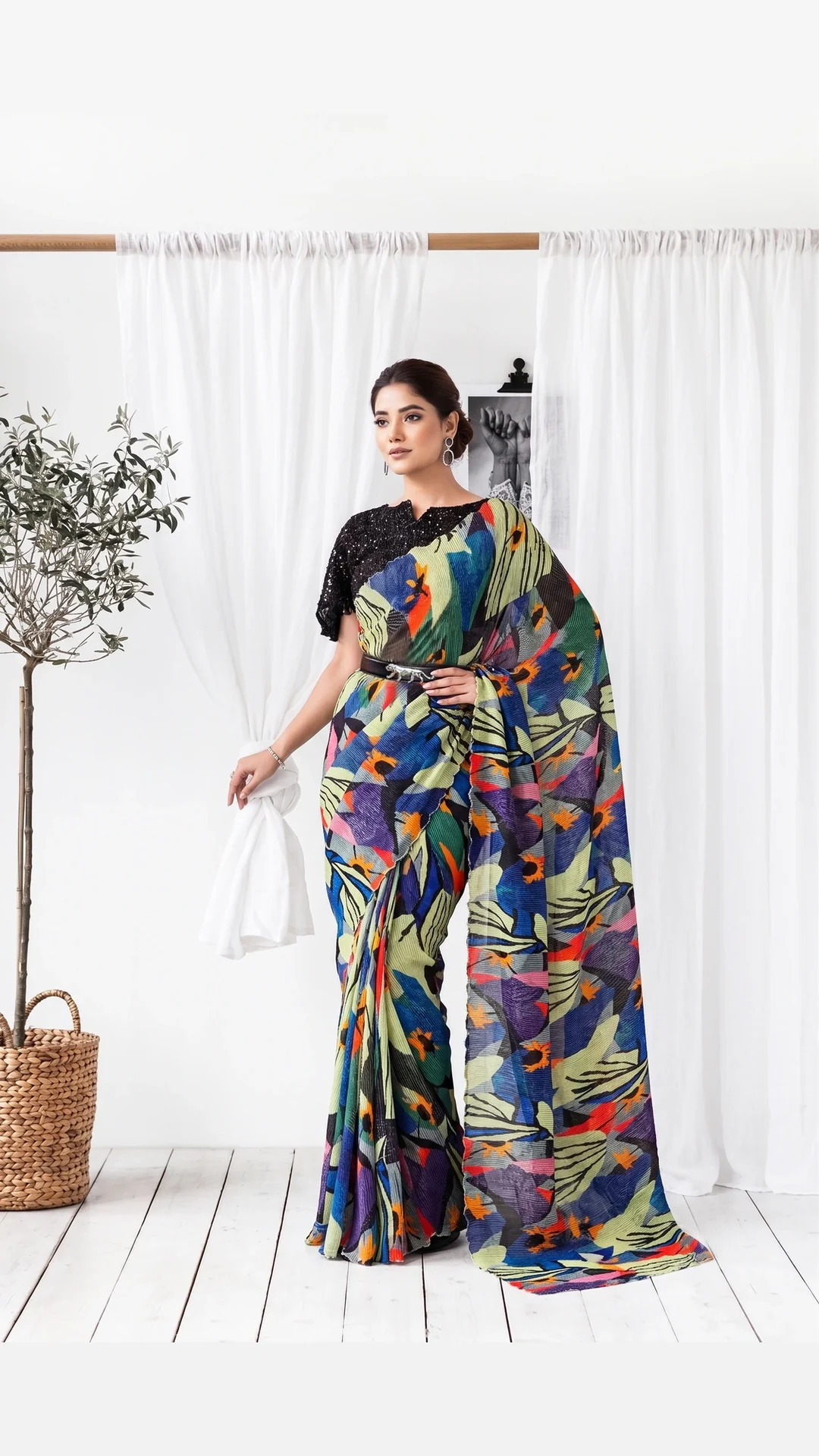
Abstract Print Multicolour Ready-to-Wear Saree in Pure Satin Silk
₹2,699₹4,500
55 products
Ready-to-Wear Sarees
Ready-to-Wear Sarees
Ready-to-Wear Sarees
Ready-to-Wear Sarees
Ready-to-Wear Sarees
Ready-to-Wear Sarees
Ready-to-Wear Sarees
Ready-to-Wear Sarees
Ready-to-Wear Sarees
Ready-to-Wear Sarees
Ready-to-Wear Sarees
Ready-to-Wear Sarees
Ready-to-Wear Sarees
Ready-to-Wear Sarees
Ready-to-Wear Sarees
Ready-to-Wear Sarees
Ready-to-Wear Sarees
Ready-to-Wear Sarees
Ready-to-Wear Sarees
Ready-to-Wear Sarees
Ready-to-Wear Sarees
Ready-to-Wear Sarees
Ready-to-Wear Sarees
Ready-to-Wear Sarees
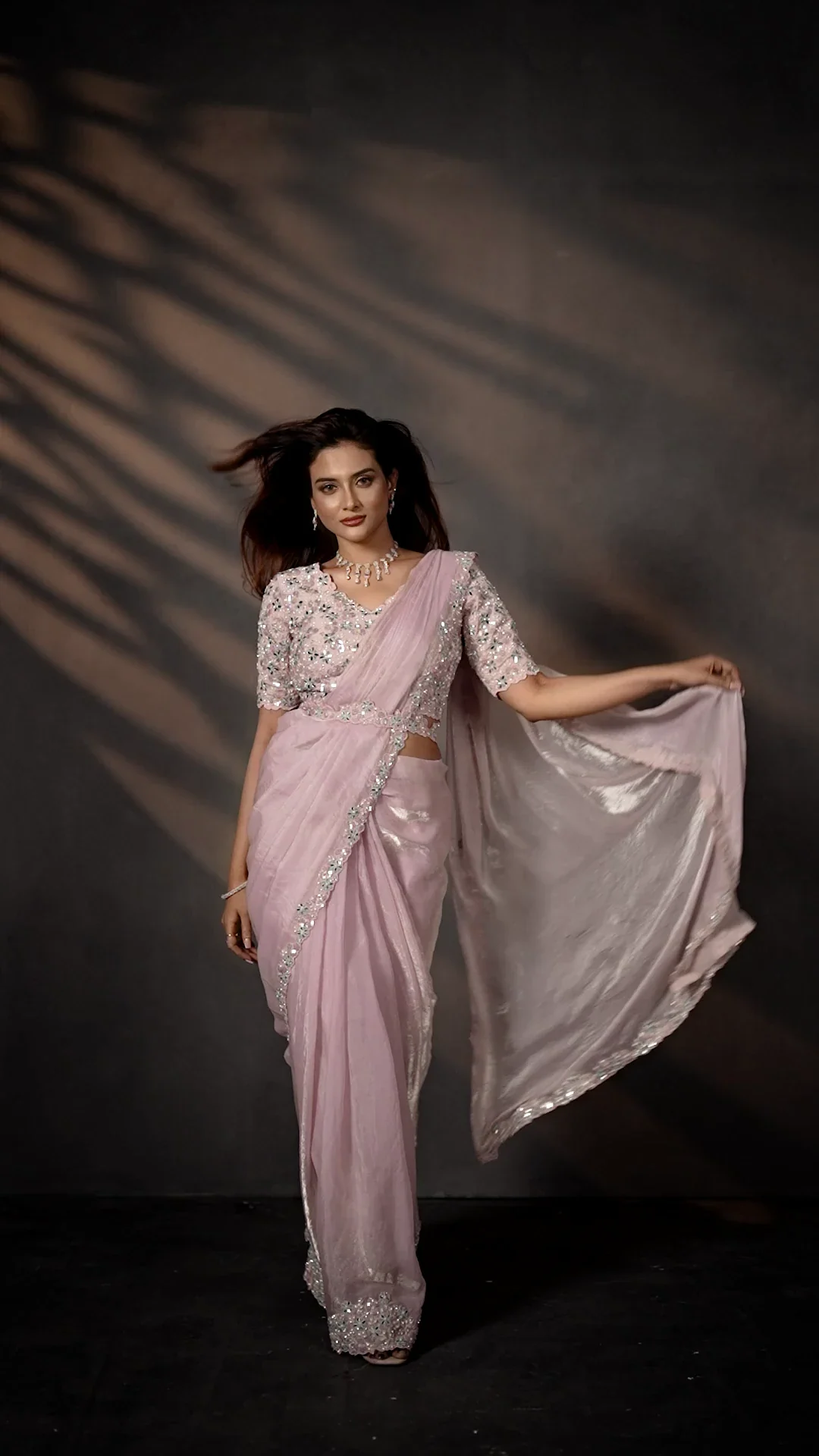
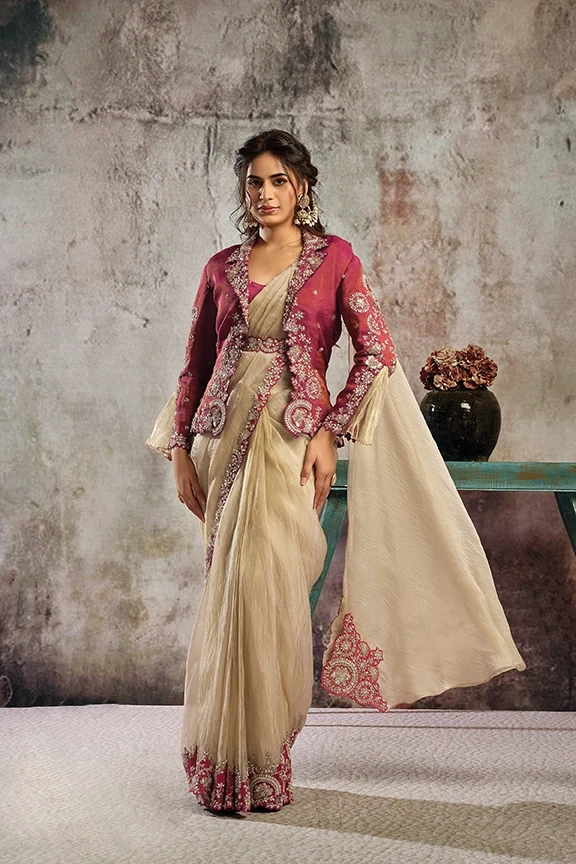
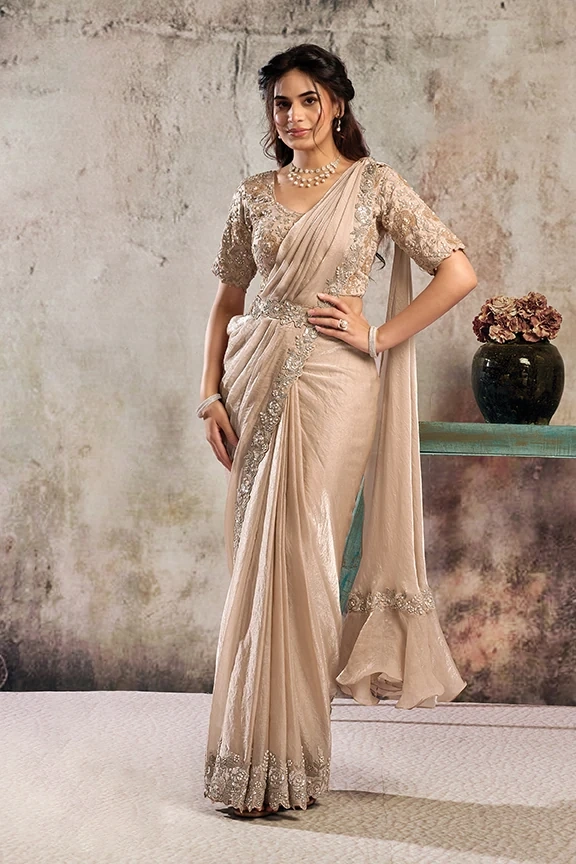
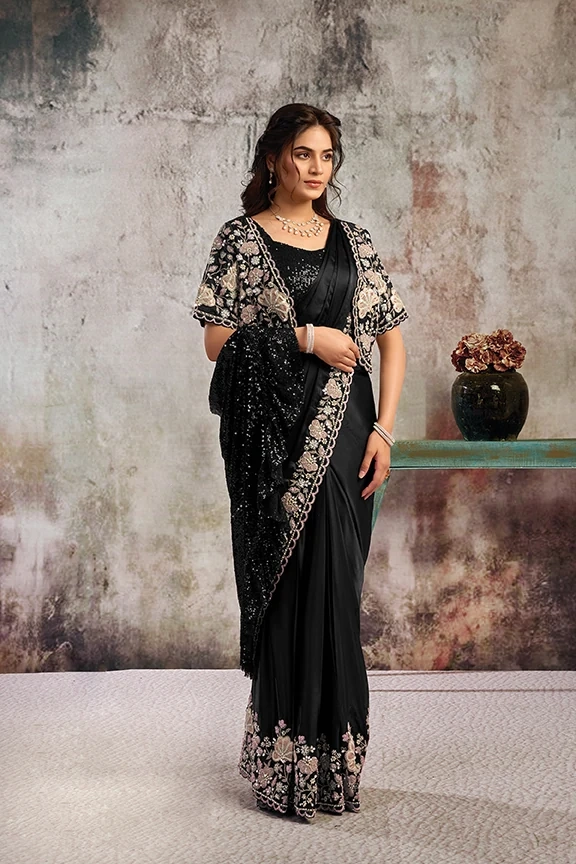
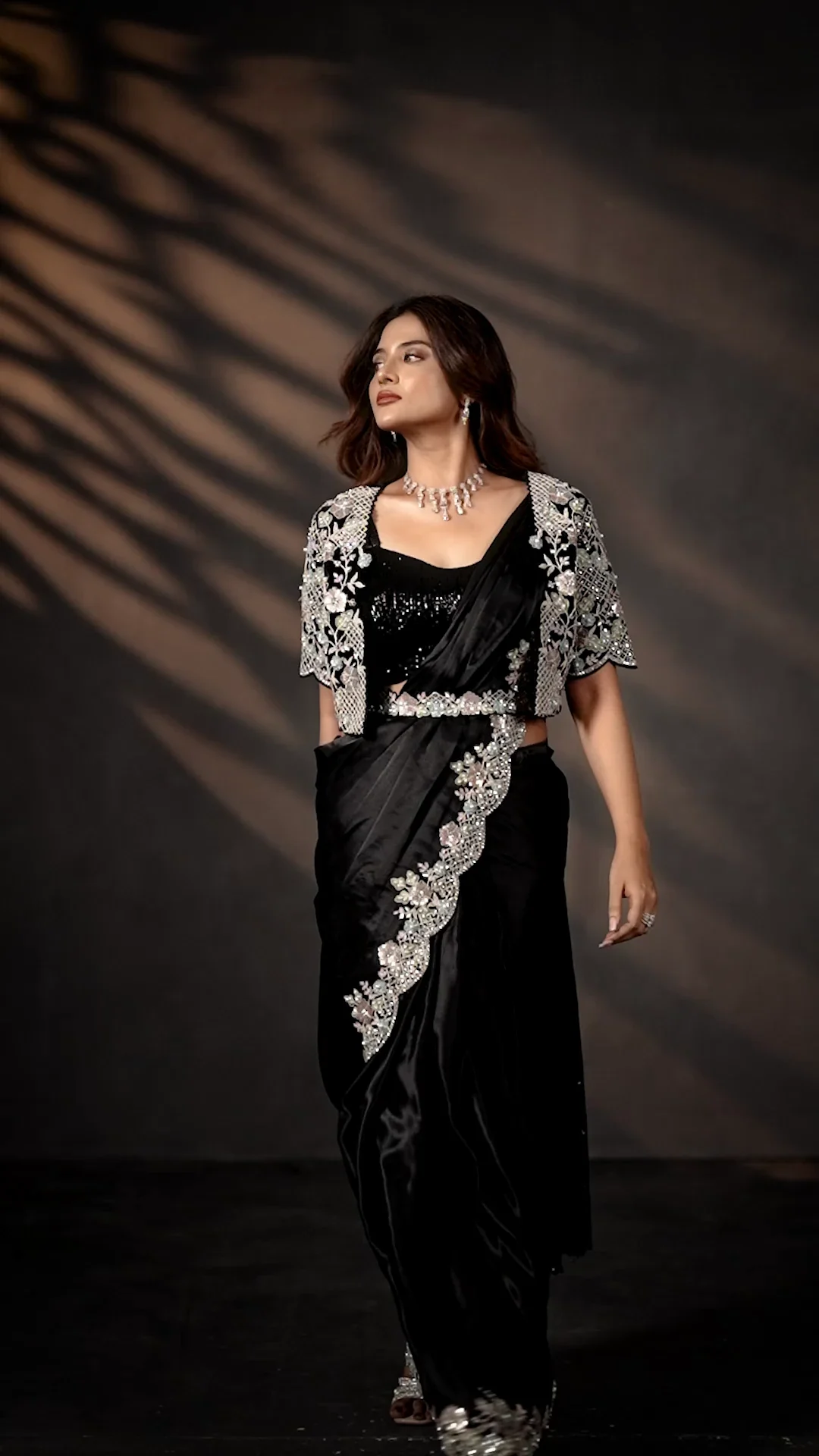
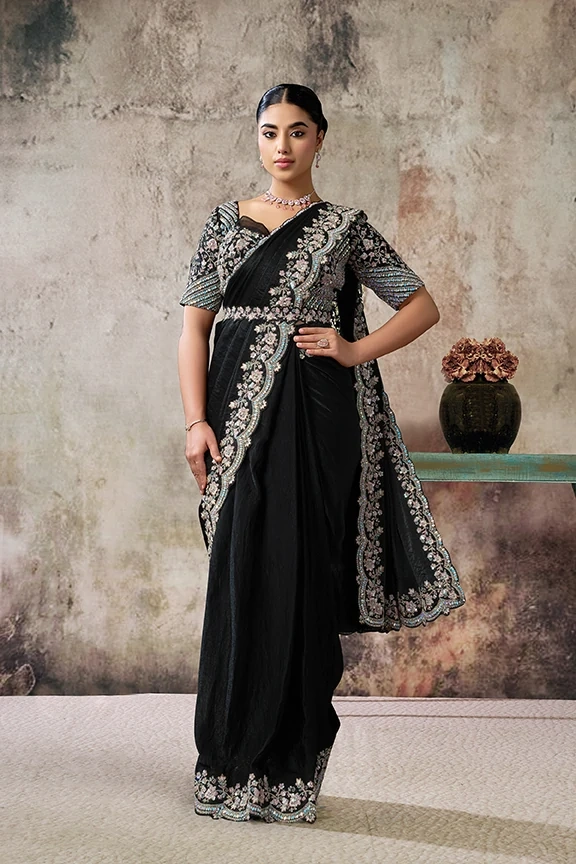
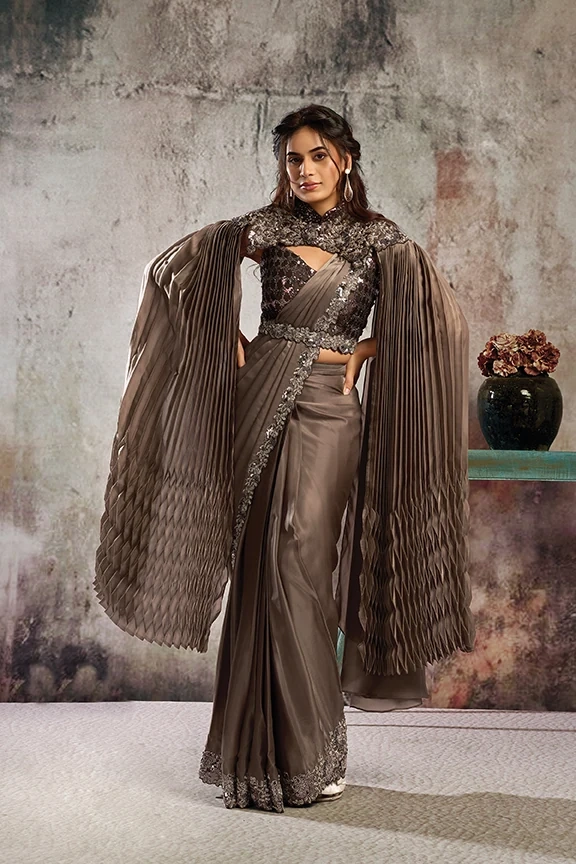
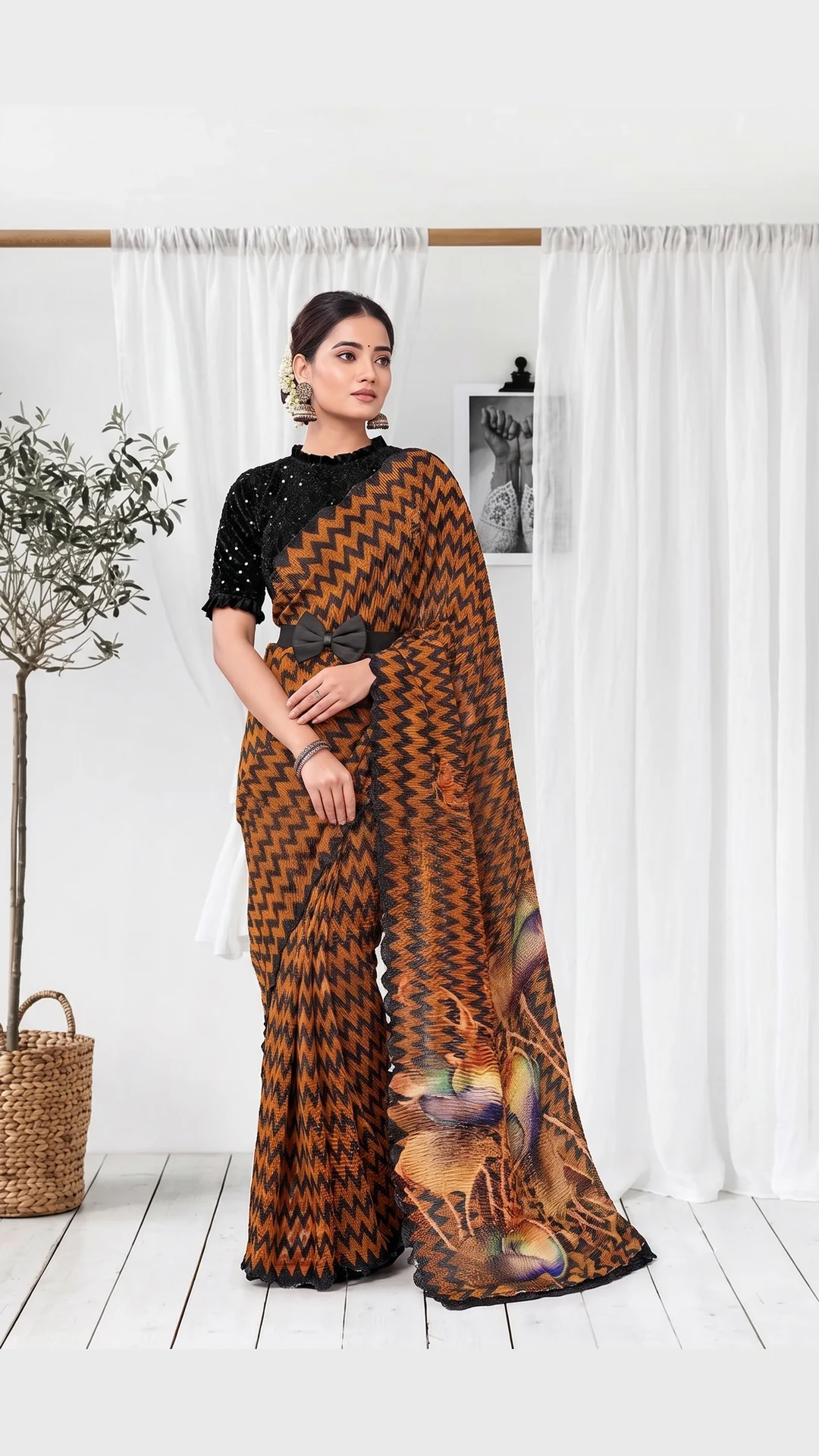
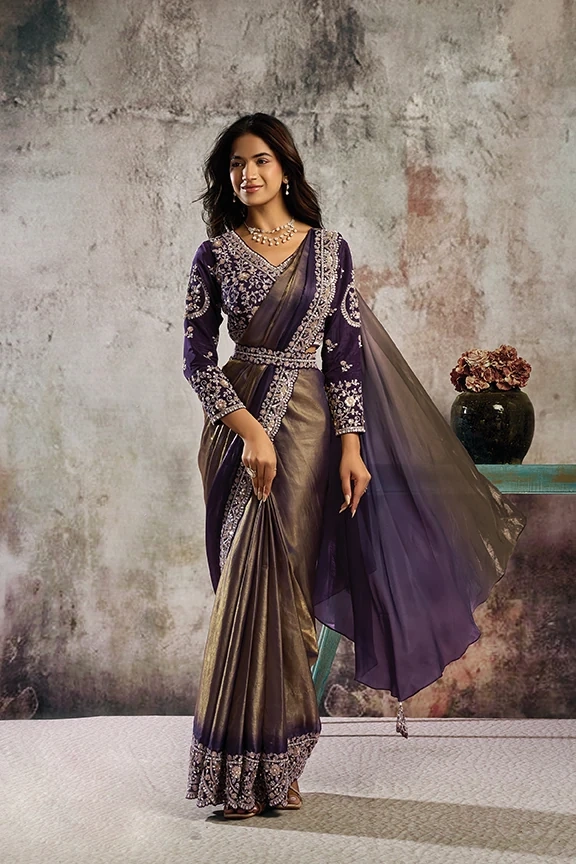
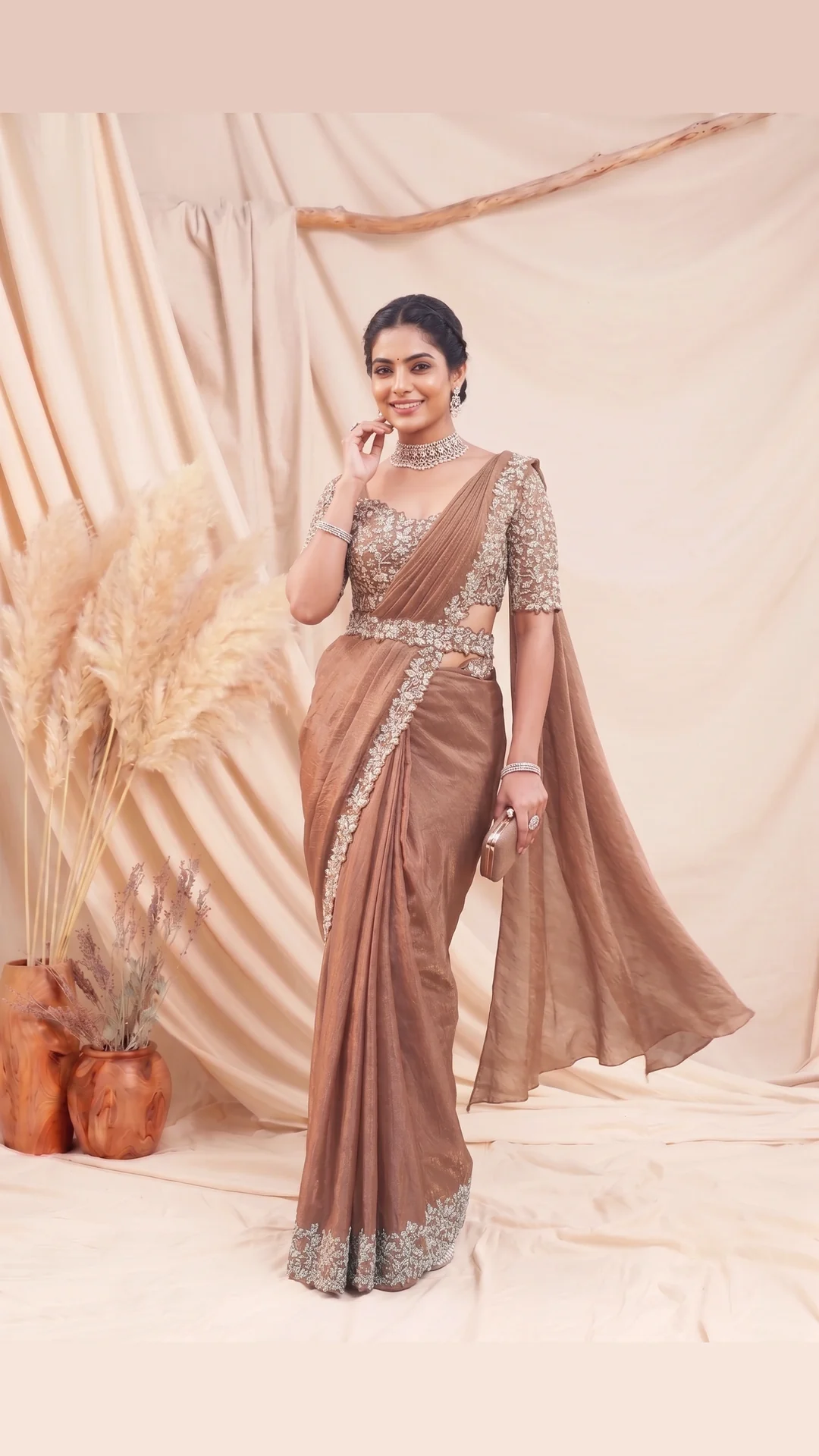
A ready-to-wear saree arrives with the pleats already made and the pallu already set, so it is stepped into and fastened rather than draped from scratch. Vpnam lists 27 of them, priced from ₹2,699 to ₹7,099 with the middle near ₹4,699. Twelve are two-tone satin silk, nine pure satin silk and six crepe satin silk. All 27 include a stitched blouse cut to 38 inches with margin to 42, 18 list a belt among the accessories, and all 27 state dispatch the next day after stock confirmation.
It is a saree that has already been drape-stitched. The pleats at the front are folded and secured at a fixed depth, the fall is set, and the pallu is finished so it hangs at a settled length over the shoulder. The garment is put on the way a skirt is: step in, fasten at the waist, and set the pallu. There is no tucking, no counting pleats and no safety pin along the waistline. Sellers also market this as a one-minute saree or a ready-made saree, and all three names describe the same construction.
The cloth is the same. The difference is where the pleating work happens, and who does it.
| Point of difference | Traditional 5.5 metre saree | Ready-to-wear drape saree |
|---|---|---|
| What arrives | One length of uncut fabric plus a blouse piece | A finished, pre-pleated garment with a stitched blouse |
| Time to wear | Ten to twenty minutes, more if you pleat carefully | Under a minute once the blouse is on |
| Skill needed | Practice, or a second pair of hands | None |
| Pleat depth | Chosen fresh each time you wear it | Fixed at the factory and not adjustable |
| Drape style | Nivi, Gujarati, Bengali or any regional style you know | The single style it was stitched in |
| Height and size | Adapts by changing where you tuck and how deep you pleat | Fixed length and a fixed waist range |
| Pins needed | Several, at waist and shoulder | Usually one at the shoulder |
Four groups, and they are worth naming plainly. Beginners, who want the look without a month of practice at the mirror. Travellers, because the garment folds into a bag already pleated and needs no floor space or helper in a hotel room. Anyone with a fast change between events, where a wedding lunch and an evening reception sit two hours apart. And working women who wear a saree occasionally and would rather spend those twenty minutes elsewhere. It also suits an older wearer for whom the bending and tucking of a traditional drape has become tiring.
The pleats are sewn at one depth, so the fall cannot be made narrower for a slimmer frame or fuller for a taller one. The overall length is fixed, which means height matters more than it does with an uncut saree: if you are notably taller or shorter than the standard, the pallu will sit high or the hem will pool. The included blouse is stitched to 38 inches with margin to 42, so it will not fit above a 42-inch bust without being remade. And the drape style is decided for you. A traditional saree can be tied Nivi today and Gujarati next month; this one cannot.
Every one of the 27 listings includes a stitched blouse, and 18 of them list a belt among the accessories. Beyond that the extras vary: three listings add a cape, a cloak blouse or a second blouse, two include a ruffle sleeve, two a crushed sleeve, one a fancy poncho and one fancy sleeves. Blouse fabric is not always the same as the saree; organza silk, velvet, fancy net, malai satin, soft taffeta and japan crepe all appear. Surface work runs to sequin on 15 listings, embroidery on 14, beadwork on eight, pearl on seven and mirror on three, with digital prints on nine, seven of those abstract. The nine listings at ₹2,699 are all pure satin silk with a single technique named; those above ₹5,000 add handwork, pearl, mirror and zardosi on crepe and two-tone satin silk.
Six listings state that the first wash of the garment should always be dry-cleaned, and that is sound for the whole category, since satin silk marks and the sequin work will not survive a machine. Store it hanging rather than folded so the sewn pleats keep their shape; a pre-pleated saree crushed flat in a suitcase for a month will need pressing along every fold, which defeats the purpose of buying one.
A ready-to-wear saree is pre-pleated and drape-stitched before it reaches you. The front pleats are folded and secured, the fall is set and the pallu is finished at a fixed length. You pull it on like a skirt, fasten it at the waist and set the pallu, which takes under a minute instead of the usual fifteen or twenty.
Put the stitched blouse on first. Pull the pre-pleated saree on the way you would a skirt and bring it to your natural waist. Fasten it, check the hem sits level just off the floor with your footwear on, then bring the pallu over the shoulder and pin it once. The pleats need no arranging.
It is generally more comfortable than a traditional drape because there is no tucked bulk at the waist and nothing loosens as you move. The trade-off is that nothing can be adjusted either: if the waist or length is not right for you, it will stay not right all evening. Check the measurements before ordering.
A normal saree is one uncut length of cloth you pleat and drape yourself each time, so it adapts to your height and can be tied in any regional style. A ready-to-wear saree is stitched into its pleats at the factory, so it goes on in under a minute but keeps one fixed drape, one fixed length and one pleat depth.
Yes. All 27 listings in this category include a stitched blouse, cut to 38 inches with a margin allowing it to be let out to 42, and 18 also list a belt among the accessories. Some listings add a cape, a poncho, ruffle or crushed sleeves, or a second blouse, and the product page states which one applies.
Only within limits. The blouse has margin to be let out to a 42-inch bust, so that part is adjustable by a tailor. The saree itself is not: the pleats are sewn at a set depth and the length is fixed, so it cannot be lengthened, and shortening it would cut through the pleat stitching and the border.
The 27 listings run from ₹2,699 to ₹7,099, with the middle near ₹4,699. The nine at ₹2,699 are pure satin silk with one technique named, usually sequence embroidery or beadwork. Above ₹5,000 the listings add handwork, pearl, mirror and zardosi. Every one includes a stitched blouse and 18 add a belt.
It suits travel better than any other saree format. It packs already pleated, so there is no floor space needed to lay out and fold a drape in a hotel room, and no helper required. Hang it on arrival rather than leaving it folded in the bag, because the sewn pleats hold their shape best when they are not compressed.