What makes satin silk look different from other silks?
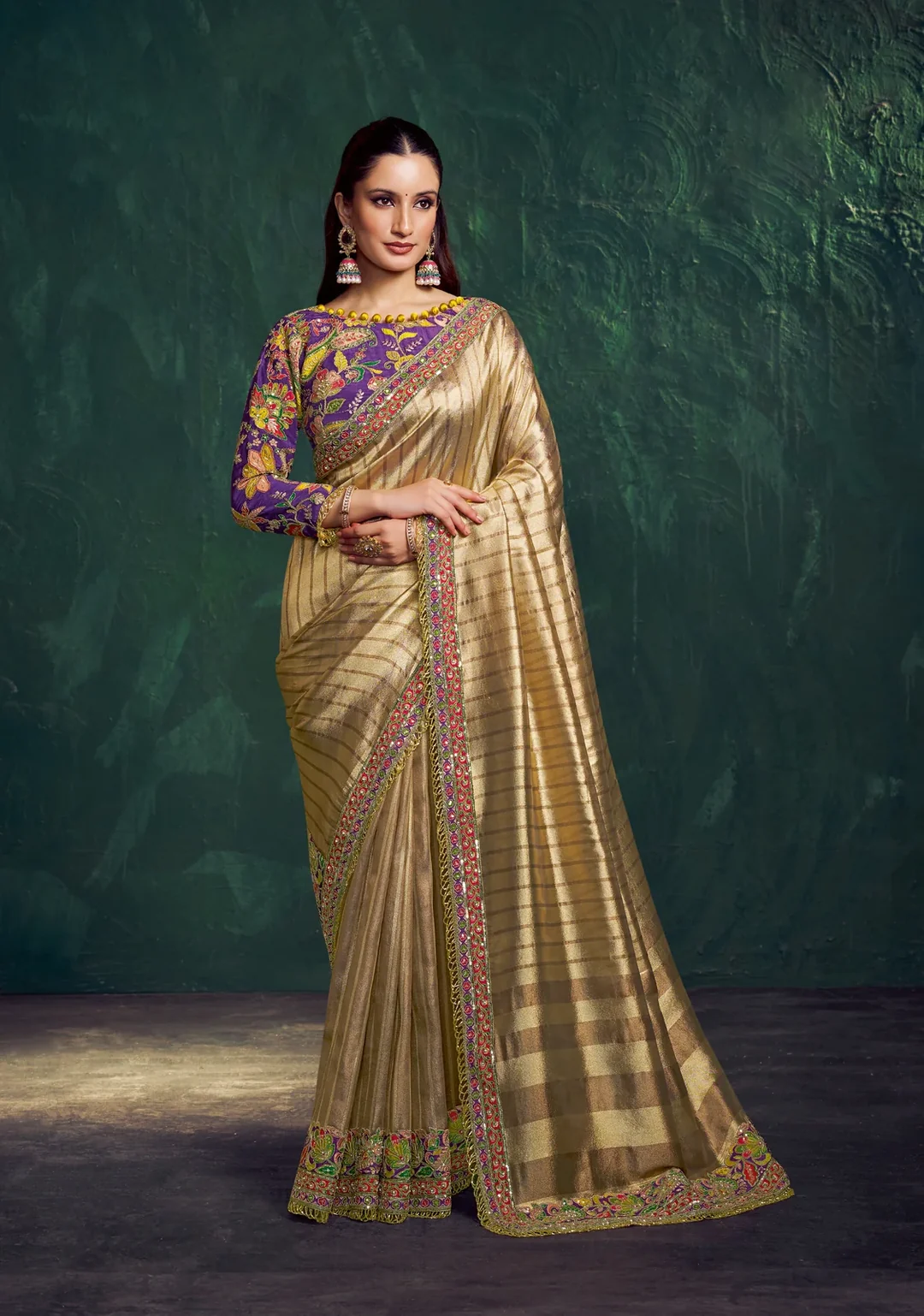
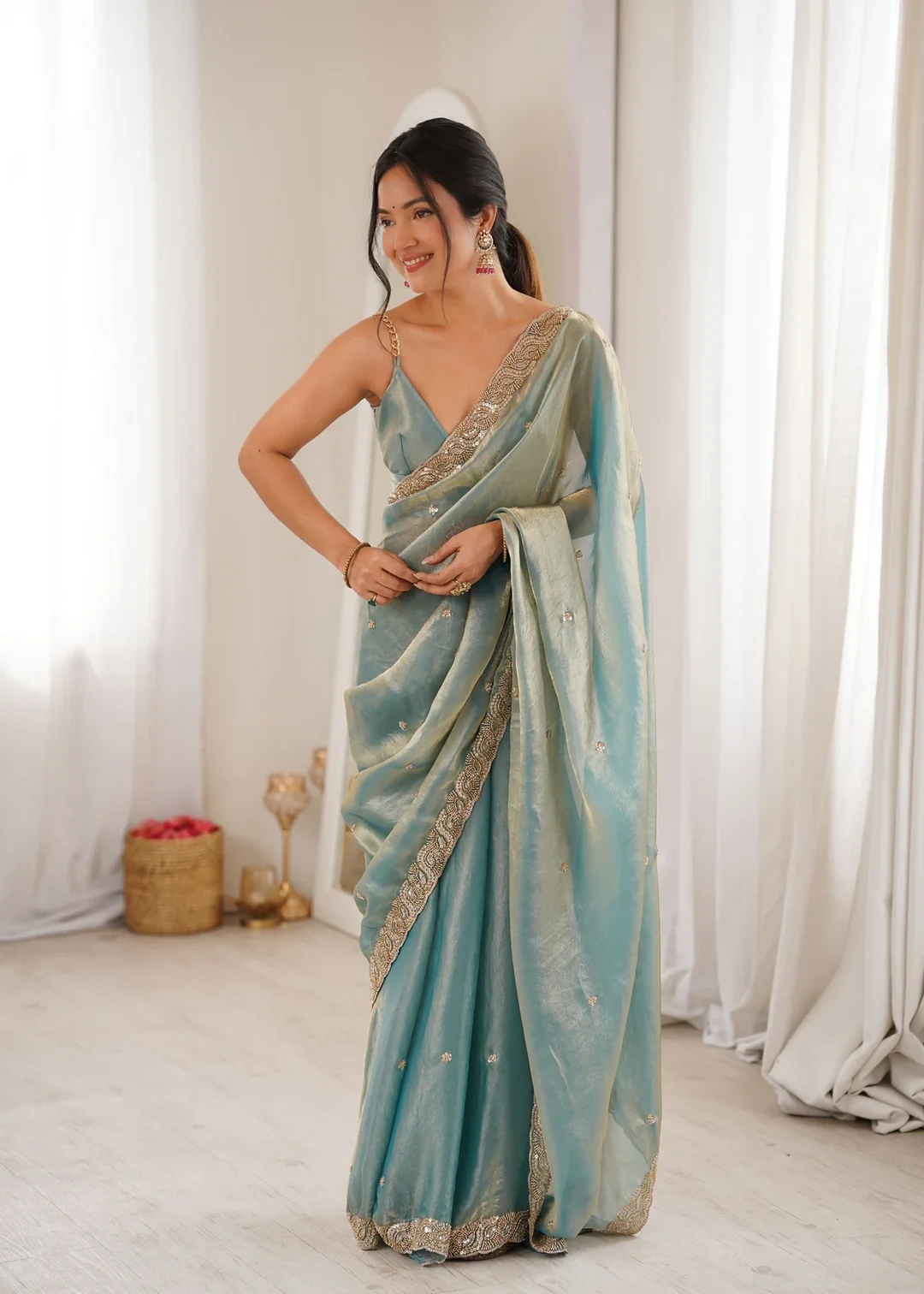
The weave brings most of the yarn to one face, so that side is smooth and reflective while the reverse stays dull. That structure produces a clear directional sheen which shifts as the fabric turns, and it is quite distinct from the softer, more even lustre of a plain silk.
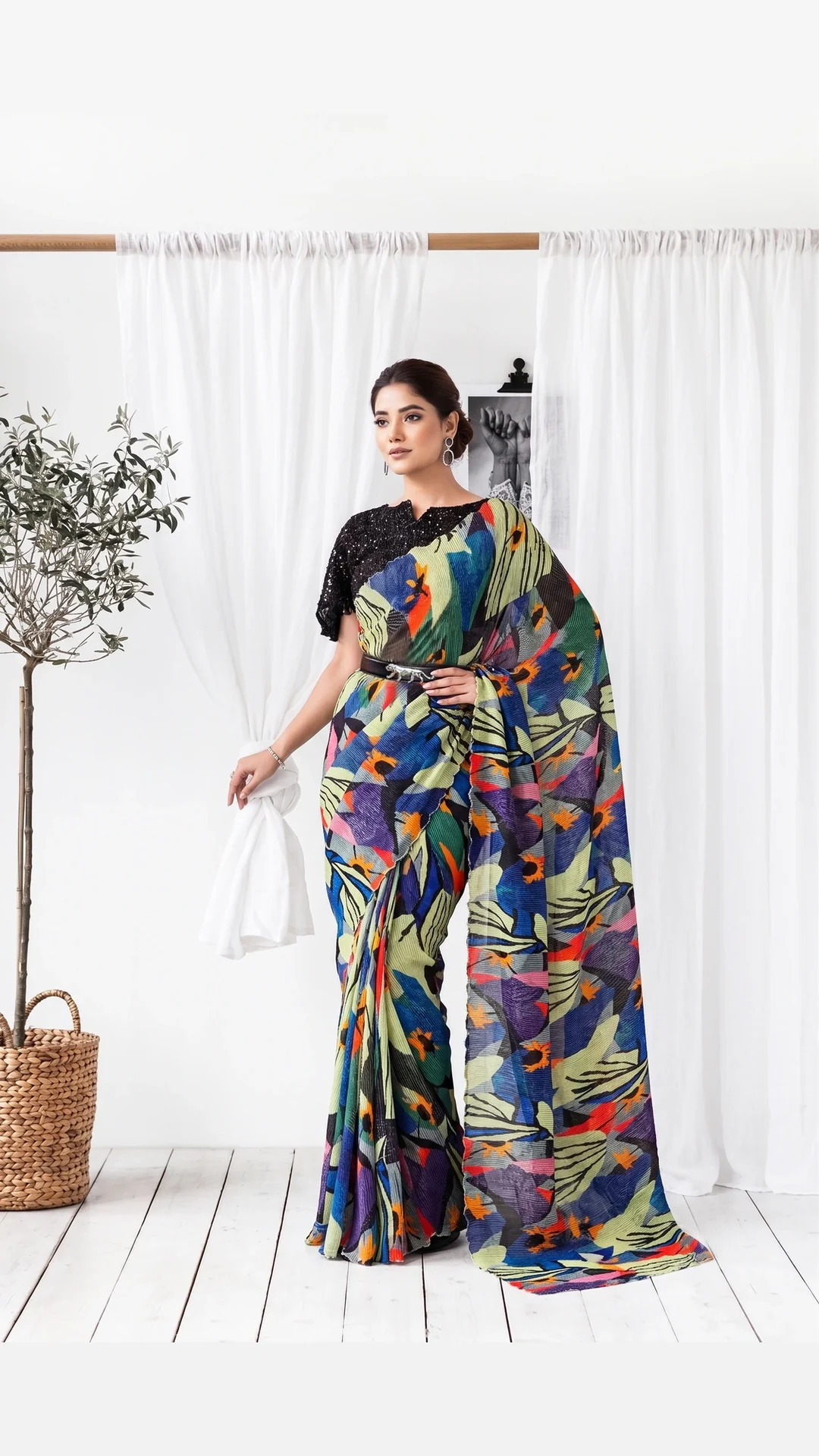
How does embroidery read on a satin ground?
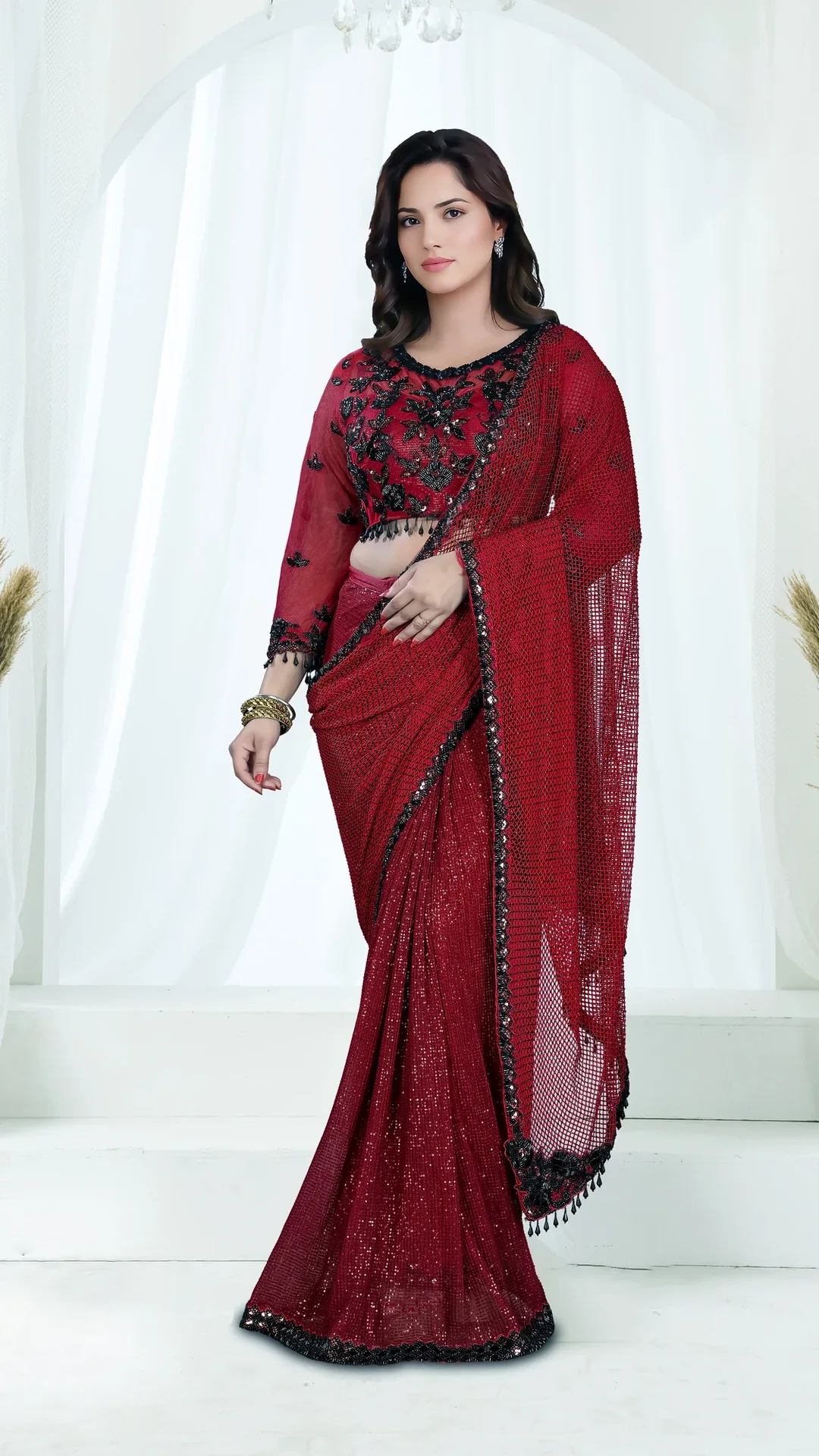
As texture against shine. The base is smooth and glossy while the stitched motifs sit raised and either matte or softly lustrous, so the eye registers a difference in surface rather than simply a difference in colour. That contrast is what makes embroidered satin work.
Does purple look heavy on a saree?
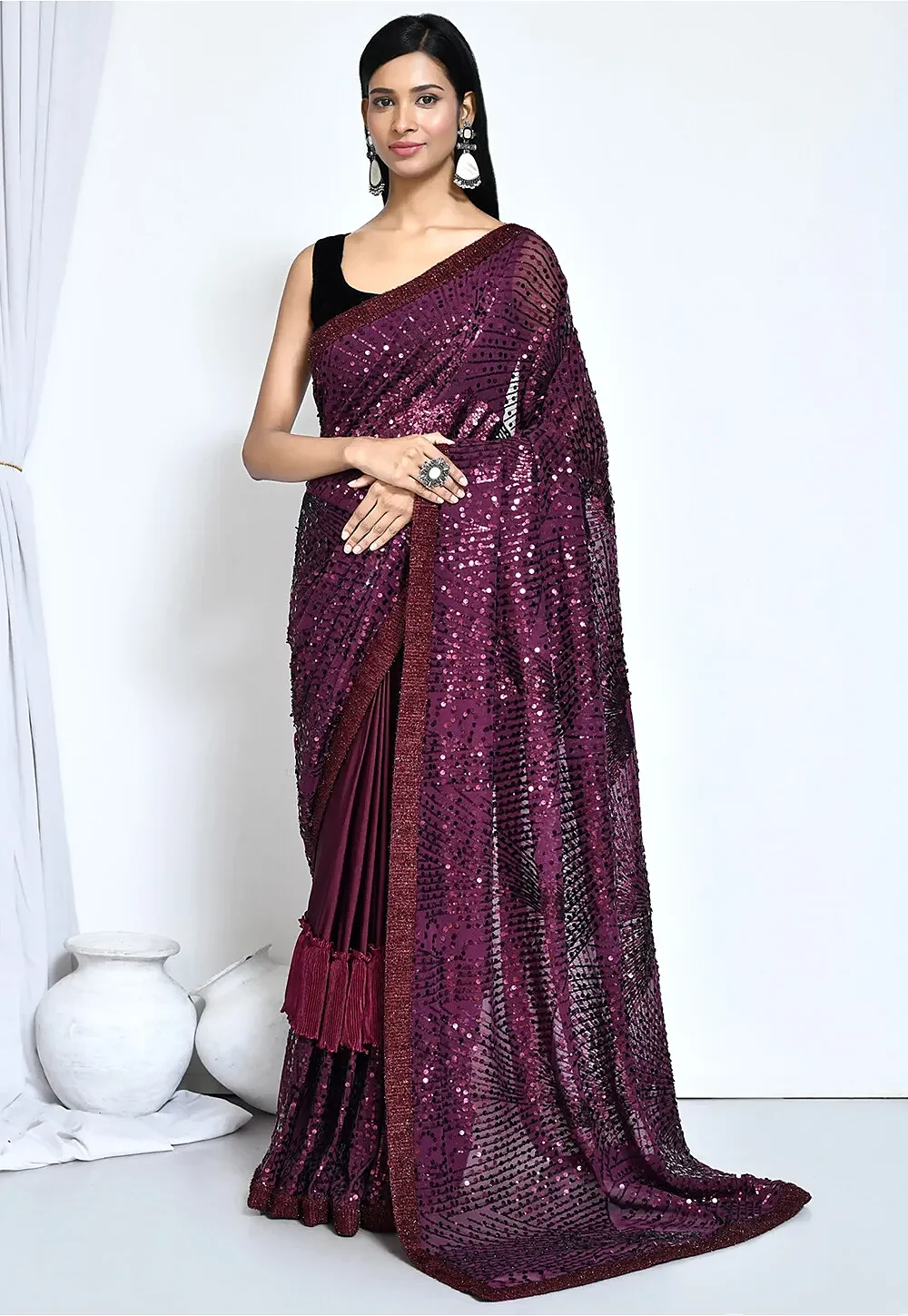
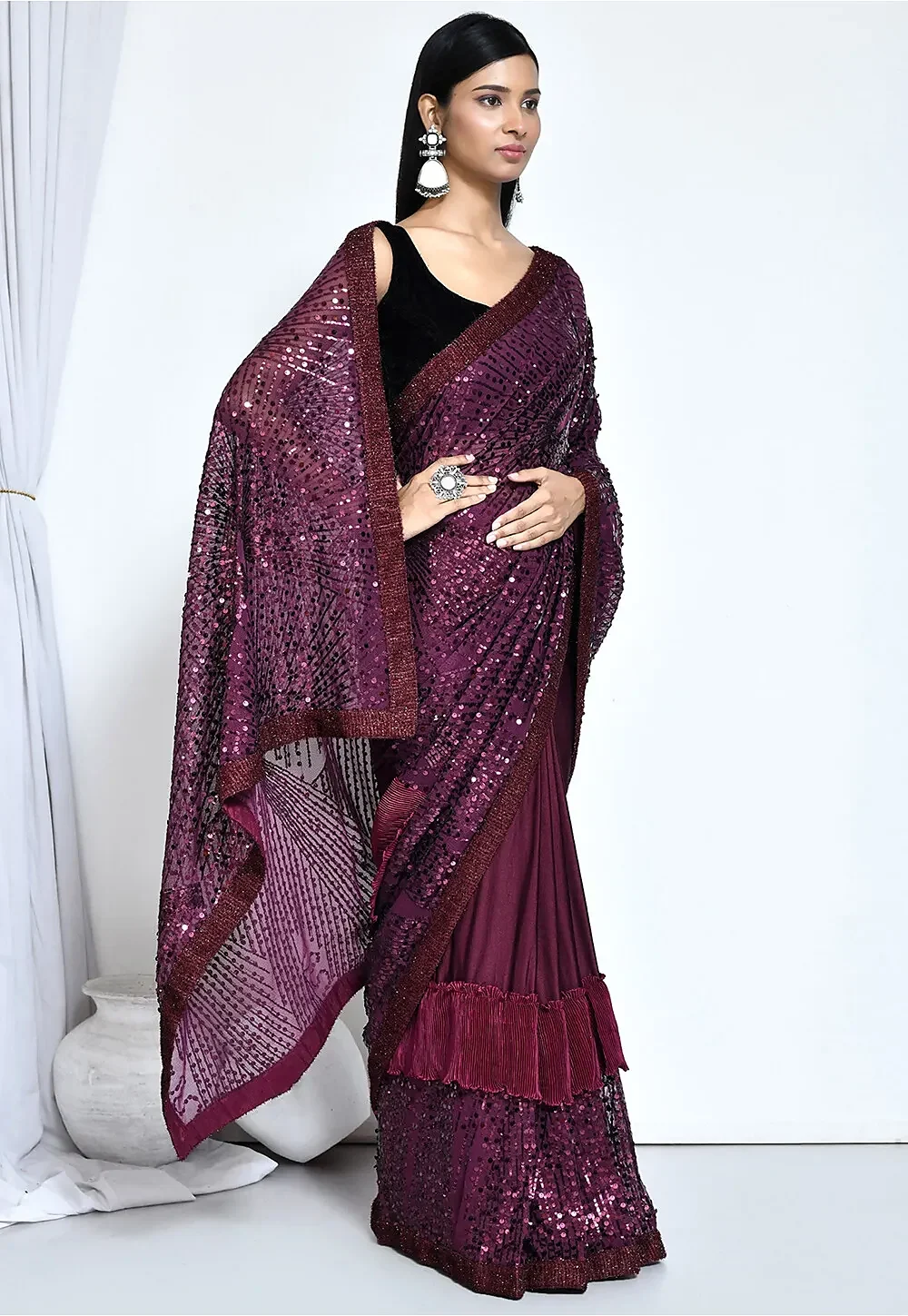
It can on a matte fabric, where a deep shade has nothing to lift it. Satin avoids that: light runs along the ridges of the folds and pools in the hollows, so the purple gains dimension and movement instead of reading as one solid dark field.
Which side of satin silk faces out?
The smooth, reflective face. Satin is woven asymmetrically, so one side carries the sheen and the other is deliberately dull, and the saree is made up with the glossy face outward. The duller reverse is what you feel against the skin when the drape folds back.
How much jewellery does this saree need?
Not much. The ground is already reflective and the embroidery is raised, so the drape carries both shine and texture on its own. Small earrings and a restrained neckpiece read better than a heavy set, which competes with the surface rather than completing the outfit.
Can I return this?
Yes. Vpnam has a 7-day return window, and the full terms are in the Refund and Returns Policy. Contact us within 7 days of delivery if the item arrives damaged or defective, an item is missing, or a different product was sent, and keep the item, tags and original packaging unused while the claim is reviewed. Worn, washed, altered or tailored products cannot be returned.